South Island Physiotherapy Center
Evidence-Based Care and Durable Recovery for Greater Victoria
CPA President
5-Star Google Rating
325+ Patient Reviews
ICBC & WorkSafeBC Direct Billing
College of Health and Care Professionals of BC Registered
Greater Victoria's Integrated Physiotherapy and Rehabilitation Center
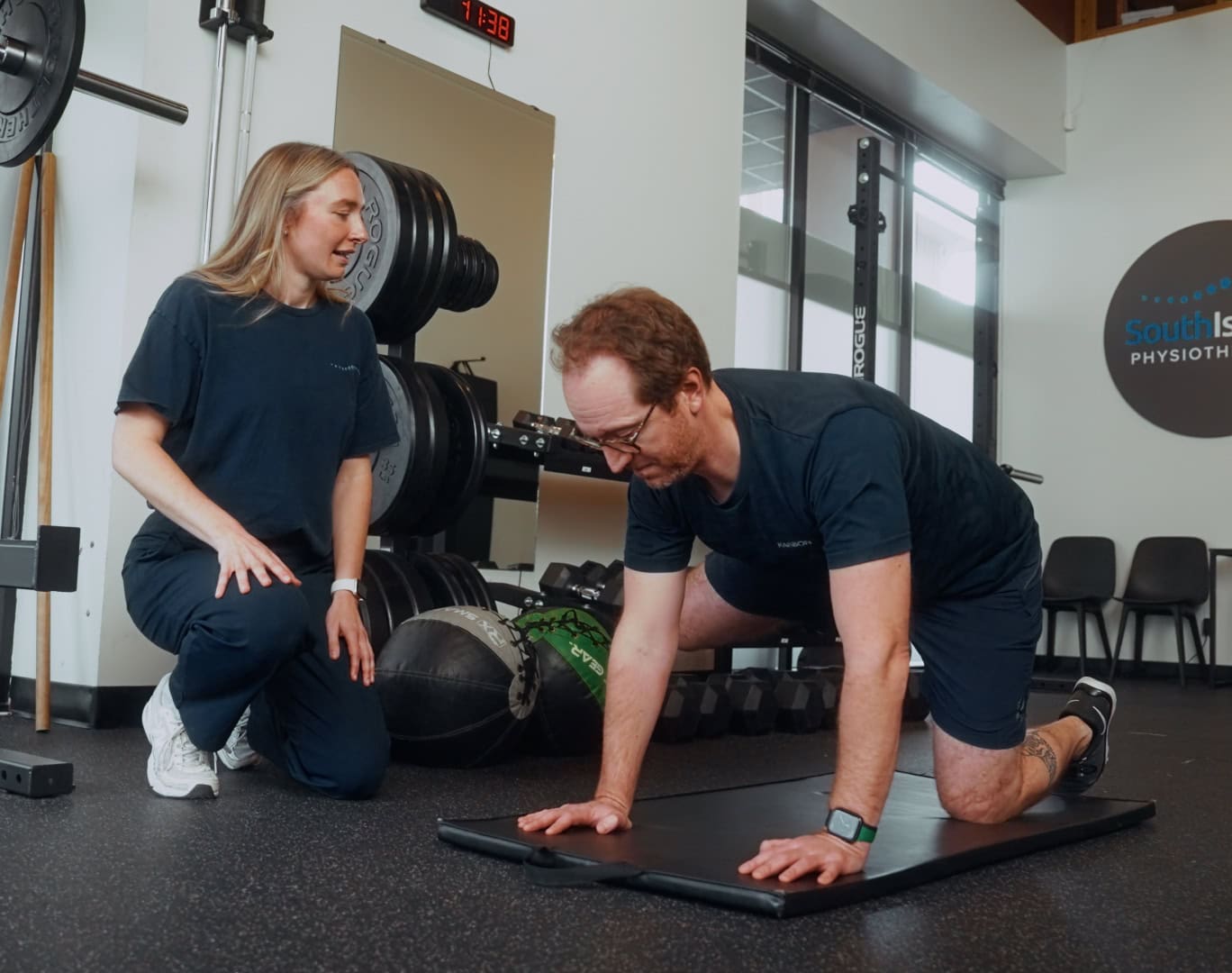
South Island Physio is a physiotherapy center in Victoria BC, founded by three Registered Physical Therapists. Located at 888 Short Street in Saanich and serving patients across Oak Bay, Esquimalt, Langford, Colwood, Cordova Bay and Greater Victoria, we bring physiotherapy, registered massage therapy, kinesiology, chiropractic care, and pelvic health under one roof.
learn about us

Physiotherapy Care Built to Last
South Island Physio was founded by owner-clinicians to bring multiple disciplines under one roof. No referrals across town, no gaps between providers. One team, one plan, built around durable recovery.
Still hurting after weeks of treatment? You’re not alone.
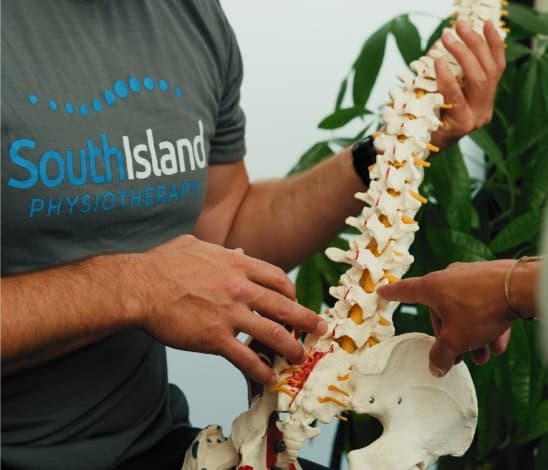
Every Discipline You Need

Physiotherapy
From sports injuries and surgical recovery to balance retraining and TMJ dysfunction, our registered physical therapists build individualized rehabilitation plans grounded in current clinical evidence and designed around your specific goals.
PhysiotherapyBalance Retraining
Our physiotherapy-led balance programs are designed for patients experiencing dizziness, vestibular dysfunction, or fall risk, with a focus on building the functional stability needed for daily activity and independence.
Balance RetrainingManual Therapy
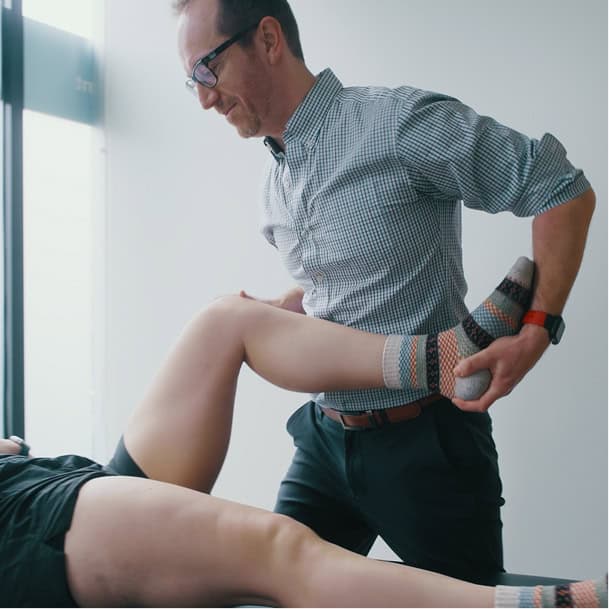
Evidence-based manual therapy techniques including joint mobilization, soft tissue manipulation, and myofascial release applied by our physiotherapy team to restore movement, reduce pain, and address musculoskeletal dysfunction throughout the body.
Manual TherapyPre and Post Surgical Care
We provide physiotherapy before and after surgery to optimize outcomes, reduce recovery time, and restore function, with programming tailored to the specific procedure and your activity goals.
Pre and Post Surgical CareRunning Gait Analysis
Biomechanical assessment of running mechanics and movement patterns to identify contributors to injury, improve performance, and reduce recurrence for recreational runners and competitive athletes.
Running Gait AnalysisSpinal Manipulation
Precise spinal manipulation techniques performed by our registered physiotherapists to restore joint mobility, reduce nerve irritation, and improve spinal function for patients experiencing back pain, neck pain, or related dysfunction.
Spinal ManipulationSports Physiotherapy
Hands-on rehabilitation for athletes and active individuals recovering from sports injuries, overuse conditions, and performance-related issues, with return-to-sport timelines built into every plan.
Sports PhysiotherapyTMJ Physiotherapy
We treat temporomandibular joint dysfunction, jaw pain, and related headache, combining manual therapy and progressive exercise to restore comfortable jaw movement.
TMJ PhysiotherapyVirtual Care
We offer telerehab appointments for patients across British Columbia who prefer remote care or need flexible scheduling, delivered with the same clinical standards as in-person treatment.
Virtual CareIMS Dry Needling
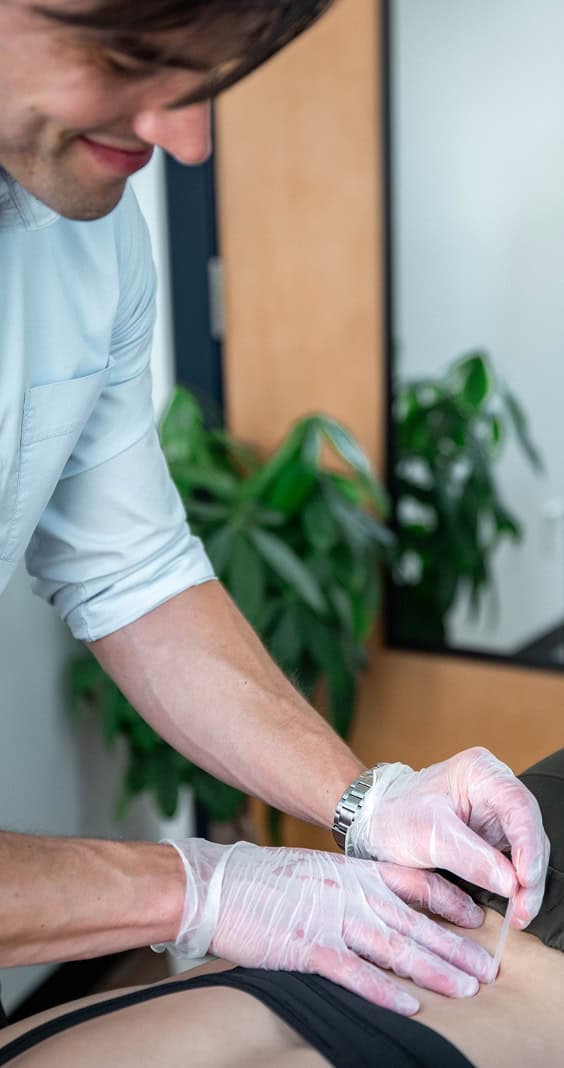
Certified IMS and dry needling treatment for chronic muscle tightness, nerve-related pain, and conditions that have not responded to other approaches, delivered by Alec Myring, a certified Gunn IMS practitioner.
IMS Dry Needling
Pelvic Floor Physio
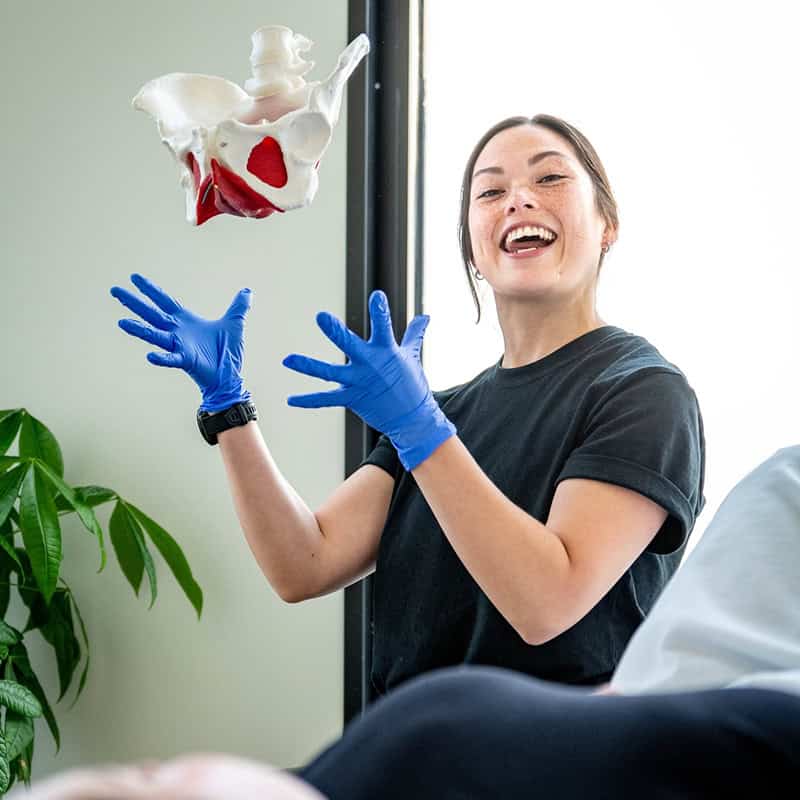
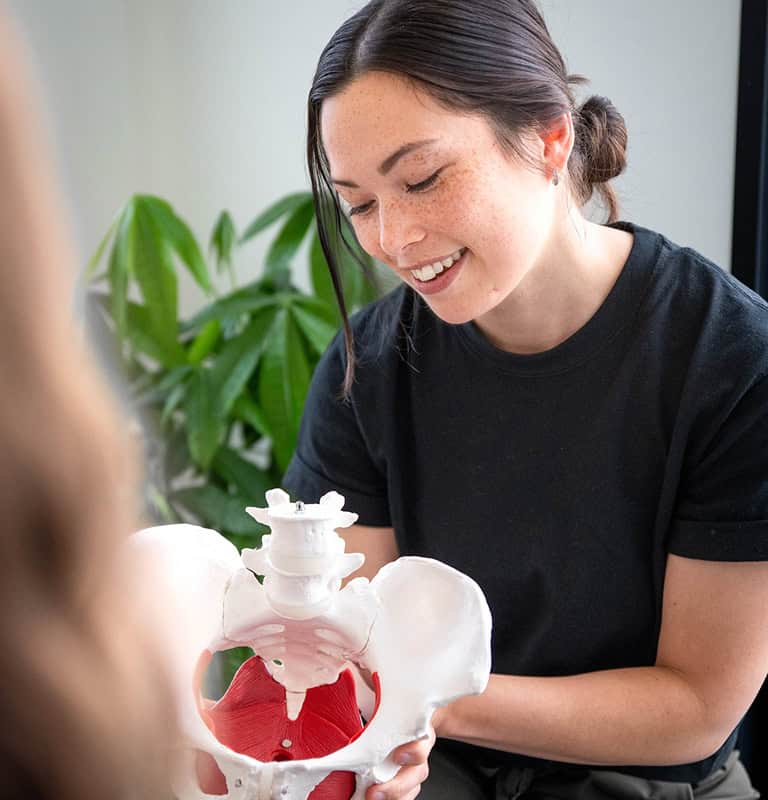
Our pelvic health physiotherapist provides internal assessment and hands-on treatment for pelvic floor dysfunction, with experience across a full range of pelvic conditions.
Pelvic Floor PhysioIncontinence Treatment
We treat stress, urge, and mixed urinary incontinence using progressive pelvic floor exercise and manual therapy to restore bladder control without surgery or medication.
Incontinence TreatmentOrgan Prolapse
We offer conservative physiotherapy management for pelvic organ prolapse, focused on reducing symptoms, improving pelvic floor function, and supporting you in returning to the activities that matter to you.
Organ ProlapsePelvic Pain Treatment
We assess and treat chronic and acute pelvic pain, addressing the musculoskeletal contributors that are often missed when pain is managed through medication alone.
Pelvic Pain TreatmentPrenatal and Postnatal
We support pelvic health throughout pregnancy and postpartum recovery, addressing pelvic girdle pain, diastasis recti, birth preparation, and return-to-activity planning for new mothers.
Prenatal and Postnatal
Massage Therapy
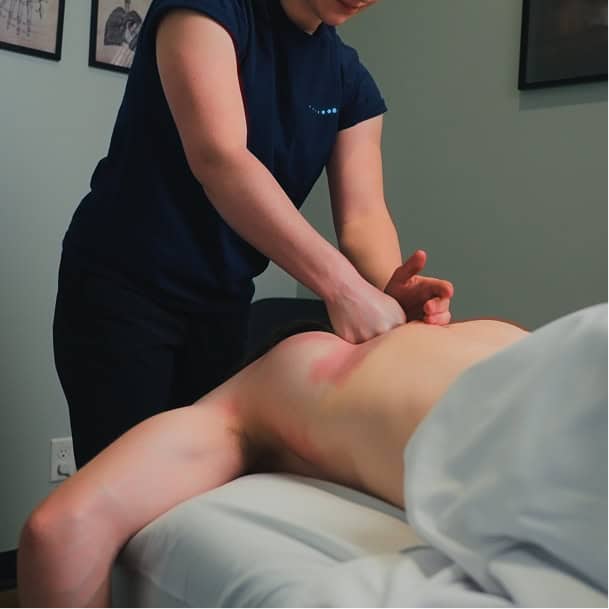
Our Registered Massage Therapists provide therapeutic massage for muscle tension, injury recovery, and stress-related conditions, coordinating directly with the physiotherapy team for integrated care.
Massage TherapyActive Release Technique
Soft tissue therapy targeting scar tissue, adhesions, and overuse injuries using Active Release Technique, available through our registered massage therapy team.
Active Release Technique
Kinesiology
Our kinesiologists guide progressive exercise programs, athletic performance testing, and active rehabilitation for patients transitioning from clinical care back to full activity.
KinesiologyAthletic Testing
Comprehensive athletic performance testing and personalized coaching programs designed to optimize movement quality, power, speed, and endurance – delivered by our kinesiology team for athletes and active individuals looking to enhance performance and prevent injury.
Athletic TestingExercise Rehab
Individualized exercise programming designed to build physical capacity, restore function, and prevent recurrence – delivered by our physiotherapy and kinesiology teams as the foundation of durable recovery rather than a supplement to passive treatment.
Exercise RehabStrength and Conditioning
Structured strength and conditioning programming for patients focused on building physical capacity, improving athletic performance, or reducing injury risk as part of a long-term healthspan approach.
Strength and Conditioning
Chiropractic Care
Our chiropractor provides evidence-based care for spinal health, joint mobility, and musculoskeletal pain, integrated within our multi-disciplinary model so your care is coordinated across disciplines.
ChiropracticCustom Orthotics
We prescribe and fit custom foot orthotics for patients managing lower limb biomechanical issues, chronic foot pain, or recovery from lower extremity injuries.
Custom Orthotics
ICBC Physiotherapy
We provide direct billing physiotherapy for motor vehicle accident injuries and handle ICBC claims administration on your behalf. Our administrative team has over a decade of experience in ICBC billing navigation.
ICBC PhysiotherapyRCMP and Military
We provide physiotherapy and rehabilitation services for RCMP members and Canadian Armed Forces personnel, with direct billing to RCMP and military benefits plans.
RCMP and MilitaryWorkSafeBC
We are an accepted WorkSafeBC provider for workplace injury rehabilitation, with direct billing and return-to-work programming integrated into every treatment plan.
WorkSafeBCWhy Victoria Patients Choose South Island Physiotherapy

Owner-led clinical care
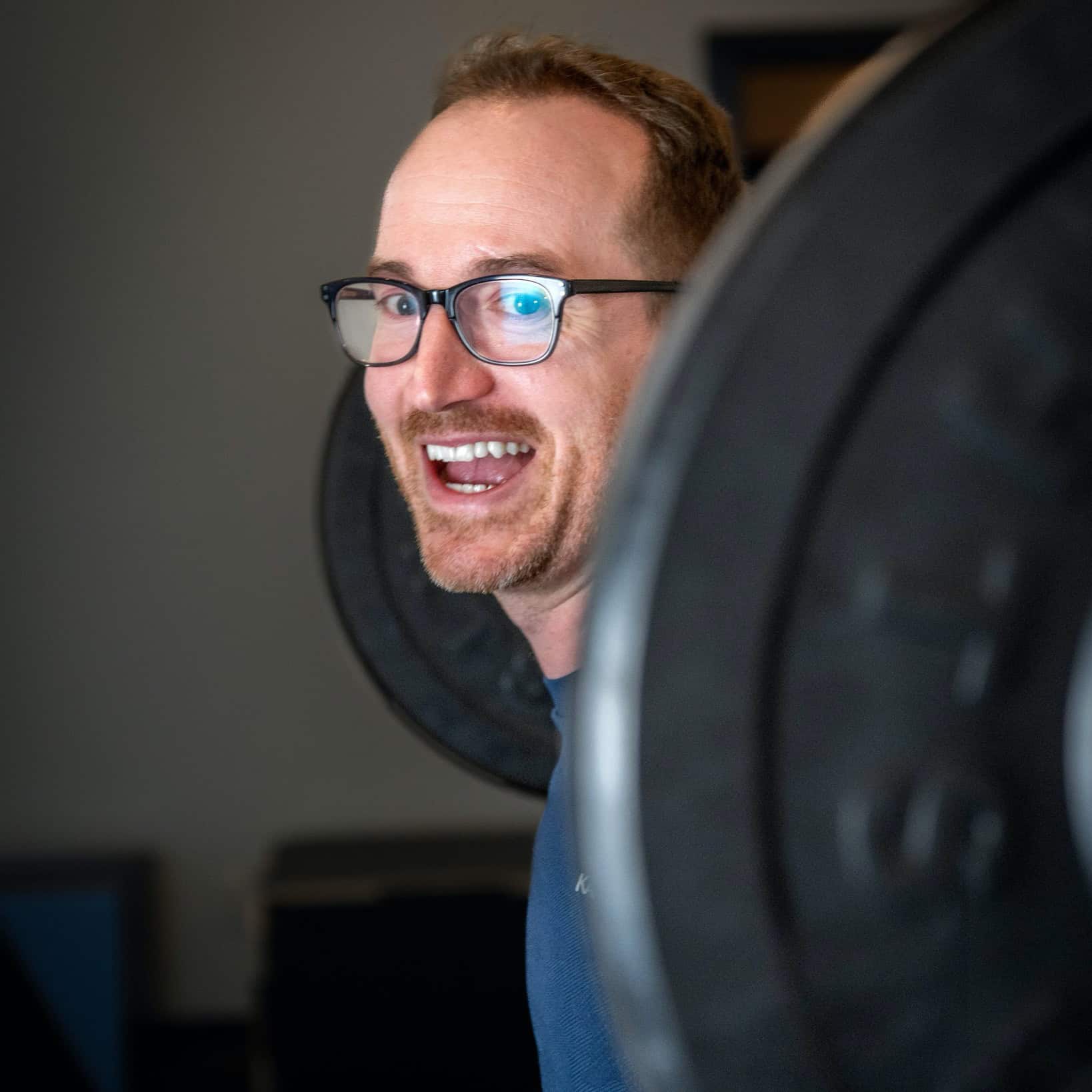
All three of our co-founders are Registered Physical Therapists who remain active clinicians. When you come to us, you are seen by a team built at the ownership level around clinical excellence and continued education.
Jason Nenzel holds a Master of Science in Physical Therapy and serves as President of the Canadian Physiotherapy Association, contributing to the profession’s national direction. Alec Myring is a certified Gunn IMS practitioner with a Master of Physical Therapy from UBC. Colin Beattie brings extensive experience helping patients with complex, persistent injuries that have not responded to other approaches.
Solutions-focused, not symptom-focused
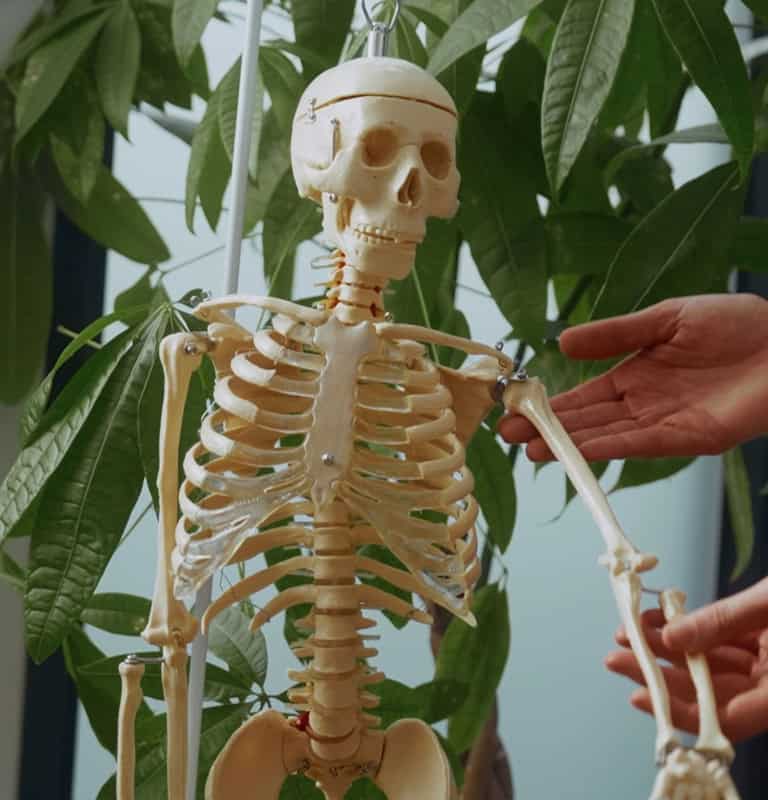
Our goal is durable results, not ongoing symptom management. We combine evidence-based manual therapy with progressive exercise programs designed to build physical capacity and reduce the likelihood of recurrence. We educate every patient on what is happening and why, because recovery that lasts is recovery that is understood.
Integrated, coordinated disciplines
Our physiotherapists, RMTs, kinesiologists, chiropractor, and pelvic health physiotherapist operate as a connected team. When your recovery benefits from more than one discipline, we coordinate that internally rather than sending you to separate clinics across the city.
ICBC and WorkSafeBC direct billing
We accept ICBC claims for motor vehicle accident injuries and WorkSafeBC claims for workplace injuries. Our administrative team, with over a decade of experience in third-party billing, handles the claims process directly so you can focus on recovery rather than paperwork.
Healthspan philosophy
Our approach extends beyond the presenting injury. We are focused on your long-term physical health and your ability to do the things that matter: returning to trail running in the Highlands, keeping up with grandchildren in Cordova Bay, or getting back to work in Langford without pain. We treat the problem in front of us and plan for the person beyond it.

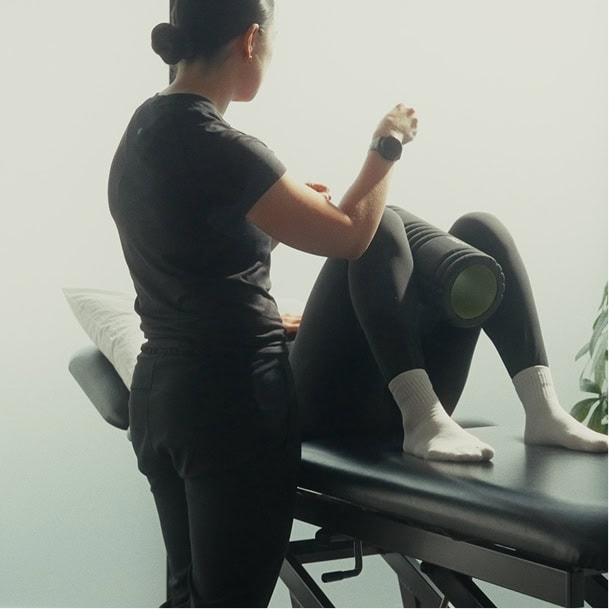
Case Study: Massage Therapy
Restoring Mobility and Reducing Everyday Pain
Patient: Jennifer P., 52
Concern
Jennifer experienced ongoing neck and upper back pain that limited her ability to work comfortably, stay active, and participate in meaningful life activities such as gardening and spending time with her grandchildren.
assessment
The massage therapist identified increased muscle tension, restricted soft tissue mobility, and trigger points through the neck, shoulders, and upper back contributing to pain and stiffness.
treatment approach
Treatment included deep tissue massage, myofascial release, and targeted soft tissue techniques aimed at reducing tension, improving circulation, and restoring normal movement throughout the affected areas.
outcome
Jennifer experienced meaningful pain relief, improved range of motion, and greater ease with daily movement. She was able to return to meaningful life activities with improved comfort, mobility, and overall function.
Case Study: Chiropractic
Neck Pain and Reduced Mobility
Patient: Daniel M., 47
Concern
Daniel presented with neck stiffness and headaches after long hours working at a computer.
assessment
Evaluation revealed restricted cervical spine mobility, joint irritation, and reduced function.
treatment approach
Chiropractic care included spinal adjustments specific to the areas of stiffness and discomfort, mobility exercises, and ergonomic advice.
outcome
Daniel experienced improved neck movement and decreased headaches after four weeks and was able to engage in meaningful work with less pain, discomfort, and more focus.
Case Study: Kinesiology
Strength Recovery After Knee Injury
Patient: Kevin P., 29
Concern
Kevin had persistent knee weakness after recovering from a ligament sprain and wanted to return to recreational basketball.
assessment
Testing revealed strength deficits in the quadriceps and gluteal muscles.
treatment approach
A progressive exercise program focused on lower body strength, balance training, and return-to-sport conditioning.
outcome
Kevin confidently returned to full basketball participation within eight weeks.
Case Study: Physiotherapy
Treating Persistent Low Back Pain
Patient: Michael R, 44
Concern
Michael developed persistent low back pain after lifting heavy boxes during a home renovation. The pain worsened with prolonged sitting and bending, making it difficult to work and exercise.
assessment
A physiotherapy assessment identified limited lumbar mobility, reduced core endurance, and increased strain through the lower back during lifting movements.
treatment approach
Treatment included manual therapy and intramuscular stimulation to improve spinal mobility, progressive strengthening of the core, hip muscles, and muscles of the lower back, as well as education on safe lifting mechanics.
outcome
Within six weeks Michael returned to full work duties and recreational golf without back pain.
Case Study: Pelvic Health
Postpartum Pelvic Floor Dysfunction
Patient: Andrea M., 34
Concern
Andrea experienced urinary leakage during high impact activities after childbirth.
assessment
Assessment revealed pelvic floor weakness and poor coordination during higher impact activities such as running and lifting weights.
treatment approach
Pelvic floor retraining exercises and core stabilization were implemented.
outcome
Andrea comfortably and confidently returned to running and lifting weights symptom-free after eight weeks.
Case Study: Athletic Testing
Identifying Weaknesses to Improve Athletic Performance
Patient: Jordan F., 24
Concern
Jordan, a recreational athlete, felt like his performance had plateaued despite consistent training. He wanted to better understand where he could improve strength, power, and overall athletic ability.
assessment
A comprehensive athletic testing session was completed, evaluating strength, power, balance, and movement quality. The assessment identified asymmetries between limbs, reduced lower body power, and specific weaknesses in core and hip stability.
treatment approach
Based on the findings, a targeted strength and conditioning program was developed to address identified deficits, improve movement efficiency, and enhance overall athletic performance.
outcome
Jordan developed greater strength, improved movement quality, and saw measurable improvements in performance. He returned to training with increased confidence, a clear plan, and the ability to perform at a higher level.
Case Study: Exercise Rehab
Moving Beyond Chronic Pain to Restore Function
Patient: Lisa M., 49
Concern
Lisa had been dealing with persistent low back and hip pain for several years. She found herself avoiding activity due to fear of flare-ups and felt stuck in a cycle of discomfort that was limiting her daily life and ability to stay active.
assessment
Assessment identified reduced strength through the core and hips, decreased movement tolerance, and protective movement patterns contributing to ongoing pain and reduced function.
treatment approach
A progressive exercise rehabilitation program was developed to gradually build strength, improve movement confidence, and increase tolerance to activity. Emphasis was placed on safe, controlled progression and restoring normal movement patterns.
outcome
Lisa was able to move beyond chronic pain, improve her overall function, and return to the activities she enjoys with greater confidence, consistency, and significantly reduced discomfort.
Case Study: Strength Conditioning
Building Strength for Long-Term Recovery and Performance
Patient: Tyler M., 54
Concern
After recovering from multiple episodes of low back pain, Tyler found himself repeatedly limited by flare-ups whenever he tried to return to higher levels of activity. He wanted a more durable recovery that would allow him to stay active consistently without fear of re-injury.
assessment
Assessment identified deficits in core and lower body strength, reduced load tolerance, and movement compensations contributing to ongoing strain and decreased function during activity.
treatment approach
A progressive strength and conditioning program was developed focusing on full-body strength, movement quality, and gradually increasing tolerance to higher loads and more demanding activities. Exercises were tailored to Tyler’s goals and the activities he wanted to return to safely.
outcome
Tyler achieved a more durable injury recovery with improved strength, movement confidence, and overall function. He was able to return to the activities he loves, including hiking, training, and recreational sports, with greater consistency and significantly less fear of flare-ups.
Case Study: ART
Shoulder Pain Limiting Overhead Activity
Patient: Chris W., 36
Concern
Chris developed shoulder pain with overhead movements during workouts and recreational sports, limiting his ability to train and stay active.
assessment
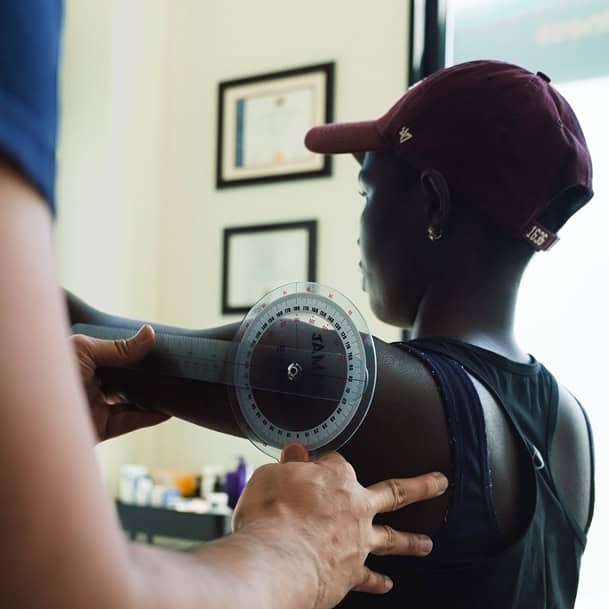
Assessment identified soft tissue restrictions through the rotator cuff and surrounding musculature, contributing to reduced range of motion and pain with overhead activity.
treatment approach
Active Release Technique was used to target affected tissues, combined with guided movement to restore normal tissue function and reduce strain during overhead movements.
outcome
Chris experienced reduced pain, improved shoulder range of motion, and returned to full participation in workouts and sports without limitation.
Case Study: Incontinence Treatment
Improving Bladder Control and Reducing Leakage
Patient: Amanda T., 41
Concern
Amanda experienced urinary leakage during exercise, coughing, and sudden urges, which affected her confidence going out and staying active. She began avoiding workouts and social situations due to fear of accidents.
assessment
Assessment revealed reduced pelvic floor strength, impaired coordination, and decreased urge control contributing to leakage during both activity and daily life.
treatment approach
Treatment focused on pelvic floor strengthening, improving coordination and timing of muscle activation, and strategies to better manage urgency. A progressive return-to-exercise plan was also implemented.
outcome
Amanda reported less leakage, better bladder control, and no more accidents during daily activities. She was able to exercise without leaking, experienced improved pelvic floor strength and urge control, and regained confidence going out and staying active.
Case Study: Massage Therapy
Restoring Mobility and Reducing Everyday Pain
Patient: Jennifer P., 52
Concern
Jennifer experienced ongoing neck and upper back pain that limited her ability to work comfortably, stay active, and participate in meaningful life activities such as gardening and spending time with her grandchildren.
assessment
The massage therapist identified increased muscle tension, restricted soft tissue mobility, and trigger points through the neck, shoulders, and upper back contributing to pain and stiffness.
treatment approach
Treatment included deep tissue massage, myofascial release, and targeted soft tissue techniques aimed at reducing tension, improving circulation, and restoring normal movement throughout the affected areas.
outcome
Jennifer experienced meaningful pain relief, improved range of motion, and greater ease with daily movement. She was able to return to meaningful life activities with improved comfort, mobility, and overall function.
Case Study: Chiropractic
Neck Pain and Reduced Mobility
Patient: Daniel M., 47
Concern
Daniel presented with neck stiffness and headaches after long hours working at a computer.
assessment
Evaluation revealed restricted cervical spine mobility, joint irritation, and reduced function.
treatment approach
Chiropractic care included spinal adjustments specific to the areas of stiffness and discomfort, mobility exercises, and ergonomic advice.
outcome
Daniel experienced improved neck movement and decreased headaches after four weeks and was able to engage in meaningful work with less pain, discomfort, and more focus.
Case Study: Kinesiology
Strength Recovery After Knee Injury
Patient: Kevin P., 29
Concern
Kevin had persistent knee weakness after recovering from a ligament sprain and wanted to return to recreational basketball.
assessment
Testing revealed strength deficits in the quadriceps and gluteal muscles.
treatment approach
A progressive exercise program focused on lower body strength, balance training, and return-to-sport conditioning.
outcome
Kevin confidently returned to full basketball participation within eight weeks.
Case Study: Physiotherapy
Treating Persistent Low Back Pain
Patient: Michael R, 44
Concern
Michael developed persistent low back pain after lifting heavy boxes during a home renovation. The pain worsened with prolonged sitting and bending, making it difficult to work and exercise.
assessment
A physiotherapy assessment identified limited lumbar mobility, reduced core endurance, and increased strain through the lower back during lifting movements.
treatment approach
Treatment included manual therapy and intramuscular stimulation to improve spinal mobility, progressive strengthening of the core, hip muscles, and muscles of the lower back, as well as education on safe lifting mechanics.
outcome
Within six weeks Michael returned to full work duties and recreational golf without back pain.
Case Study: Pelvic Health
Postpartum Pelvic Floor Dysfunction
Patient: Andrea M., 34
Concern
Andrea experienced urinary leakage during high impact activities after childbirth.
assessment
Assessment revealed pelvic floor weakness and poor coordination during higher impact activities such as running and lifting weights.
treatment approach
Pelvic floor retraining exercises and core stabilization were implemented.
outcome
Andrea comfortably and confidently returned to running and lifting weights symptom-free after eight weeks.
Case Study: Athletic Testing
Identifying Weaknesses to Improve Athletic Performance
Patient: Jordan F., 24
Concern
Jordan, a recreational athlete, felt like his performance had plateaued despite consistent training. He wanted to better understand where he could improve strength, power, and overall athletic ability.
assessment
A comprehensive athletic testing session was completed, evaluating strength, power, balance, and movement quality. The assessment identified asymmetries between limbs, reduced lower body power, and specific weaknesses in core and hip stability.
treatment approach
Based on the findings, a targeted strength and conditioning program was developed to address identified deficits, improve movement efficiency, and enhance overall athletic performance.
outcome
Jordan developed greater strength, improved movement quality, and saw measurable improvements in performance. He returned to training with increased confidence, a clear plan, and the ability to perform at a higher level.
Case Study: Exercise Rehab
Moving Beyond Chronic Pain to Restore Function
Patient: Lisa M., 49
Concern
Lisa had been dealing with persistent low back and hip pain for several years. She found herself avoiding activity due to fear of flare-ups and felt stuck in a cycle of discomfort that was limiting her daily life and ability to stay active.
assessment
Assessment identified reduced strength through the core and hips, decreased movement tolerance, and protective movement patterns contributing to ongoing pain and reduced function.
treatment approach
A progressive exercise rehabilitation program was developed to gradually build strength, improve movement confidence, and increase tolerance to activity. Emphasis was placed on safe, controlled progression and restoring normal movement patterns.
outcome
Lisa was able to move beyond chronic pain, improve her overall function, and return to the activities she enjoys with greater confidence, consistency, and significantly reduced discomfort.
Case Study: Strength Conditioning
Building Strength for Long-Term Recovery and Performance
Patient: Tyler M., 54
Concern
After recovering from multiple episodes of low back pain, Tyler found himself repeatedly limited by flare-ups whenever he tried to return to higher levels of activity. He wanted a more durable recovery that would allow him to stay active consistently without fear of re-injury.
assessment
Assessment identified deficits in core and lower body strength, reduced load tolerance, and movement compensations contributing to ongoing strain and decreased function during activity.
treatment approach
A progressive strength and conditioning program was developed focusing on full-body strength, movement quality, and gradually increasing tolerance to higher loads and more demanding activities. Exercises were tailored to Tyler’s goals and the activities he wanted to return to safely.
outcome
Tyler achieved a more durable injury recovery with improved strength, movement confidence, and overall function. He was able to return to the activities he loves, including hiking, training, and recreational sports, with greater consistency and significantly less fear of flare-ups.
Case Study: ART
Shoulder Pain Limiting Overhead Activity
Patient: Chris W., 36
Concern
Chris developed shoulder pain with overhead movements during workouts and recreational sports, limiting his ability to train and stay active.
assessment
Assessment identified soft tissue restrictions through the rotator cuff and surrounding musculature, contributing to reduced range of motion and pain with overhead activity.
treatment approach
Active Release Technique was used to target affected tissues, combined with guided movement to restore normal tissue function and reduce strain during overhead movements.
outcome
Chris experienced reduced pain, improved shoulder range of motion, and returned to full participation in workouts and sports without limitation.
Case Study: Incontinence Treatment
Improving Bladder Control and Reducing Leakage
Patient: Amanda T., 41
Concern
Amanda experienced urinary leakage during exercise, coughing, and sudden urges, which affected her confidence going out and staying active. She began avoiding workouts and social situations due to fear of accidents.
assessment
Assessment revealed reduced pelvic floor strength, impaired coordination, and decreased urge control contributing to leakage during both activity and daily life.
treatment approach
Treatment focused on pelvic floor strengthening, improving coordination and timing of muscle activation, and strategies to better manage urgency. A progressive return-to-exercise plan was also implemented.
outcome
Amanda reported less leakage, better bladder control, and no more accidents during daily activities. She was able to exercise without leaking, experienced improved pelvic floor strength and urge control, and regained confidence going out and staying active.
From Our Patients


Meet The
South Island Physiotherapy was built by three practicing physical therapists who designed the clinic around the kind of care they wanted to deliver. All three remain active clinicians.
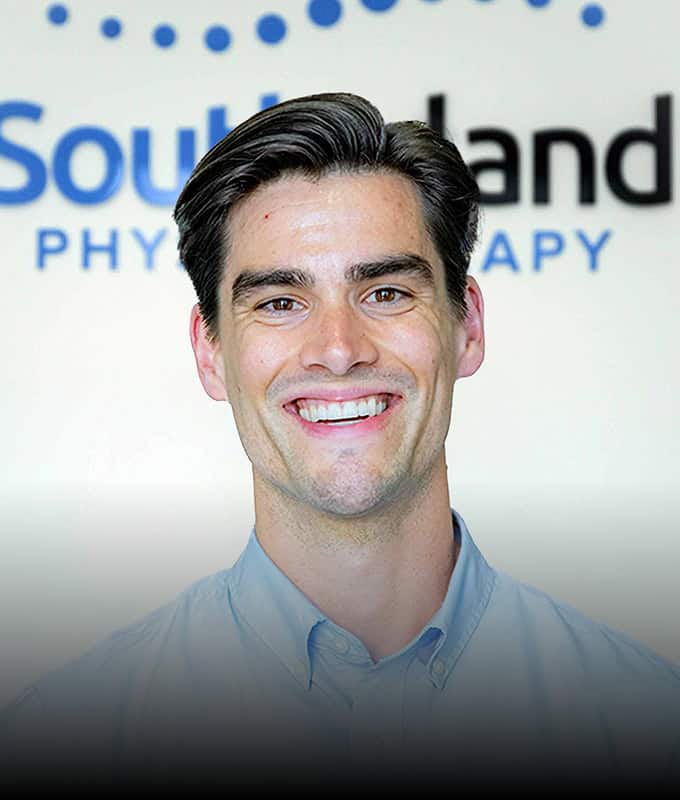
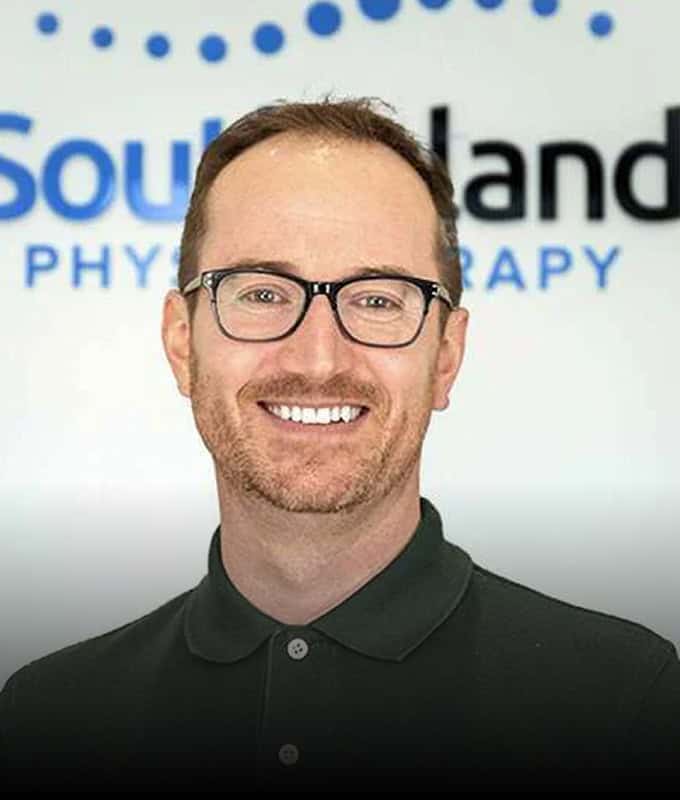

All physiotherapists at South Island Physiotherapy are members of the Canadian Physiotherapy Association and registered with the College of Health and Care Professionals of BC.


Find South Island Physiotherapy
We are located at 888 Short Street in Victoria, BC, directly across from Uptown Mall. The center serves patients from across Greater Victoria, with ample parking available at the back and side of the building.
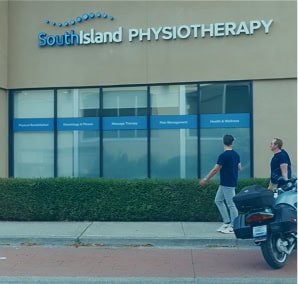
We serve Greater Victoria and surrounding communities:
- Saanich
- Oak Bay
- Esquimalt
- Langford
- Colwood
- Cordova Bay
- Central Saanich
- View Royal
- Sidney
- Metchosin
Frequently asked questions about South Island Physiotherapy

What services does South Island Physiotherapy offer?
We offer physiotherapy, registered massage therapy, kinesiology, chiropractic care, and pelvic floor physiotherapy. Additional services include sports physiotherapy, ICBC and WorkSafeBC rehabilitation, shockwave therapy, IMS and dry needling, active release technique, running gait analysis, balance retraining, custom orthotics, strength and conditioning, and virtual care for patients across British Columbia.
Where is the Physiotherapy Center located in Victoria?
We are at 888 Short Street in Victoria BC, directly across from the Uptown Mall in Saanich. Ample parking is available at the back and side of the building, and we are accessible from Oak Bay, Esquimalt, Langford, Colwood, and surrounding areas.
How do I book an appointment?
You can book online at southislandphysio.janeapp.com or call us directly at (778) 433-4900. If you cannot find an available time that works, adding yourself to our cancellation list is recommended, as openings come up regularly.
Do you offer ICBC and WorkSafeBC direct billing?
Yes. We accept ICBC claims for motor vehicle accident injuries and WorkSafeBC claims for workplace injuries. Our administrative team handles the claims process directly, with over a decade of experience in third-party billing navigation.
Are your physiotherapists licensed and registered in BC?
All of our physiotherapists are Registered Physical Therapists licensed in British Columbia through the College of Health and Care Professionals of BC. Our co-founders hold advanced credentials including a Master of Science in Physical Therapy, the Presidency of the Canadian Physiotherapy Association, and a Master of Physical Therapy from UBC with Gunn IMS certification.
What makes South Island Physiotherapy different from other clinics in Victoria?
Our approach is solutions-focused rather than symptom-focused. We combine evidence-based manual therapy with progressive exercise to produce durable recovery. All three co-owner physiotherapists remain active clinicians, and our integrated team of RMTs, kinesiologists, chiropractors, and pelvic health specialists provides coordinated care across every dimension of your recovery.
to book your first appointment?
Victoria’s patients deserve care that addresses the root cause, with a team genuinely invested in long-term physical health.
South Island Physiotherapy’s co-owner physiotherapists and allied health team are accepting new patients across Greater Victoria. Book online or call to take the first step.