Sports Massage Techniques That Help Athletes Train Harder and Recover Smarter
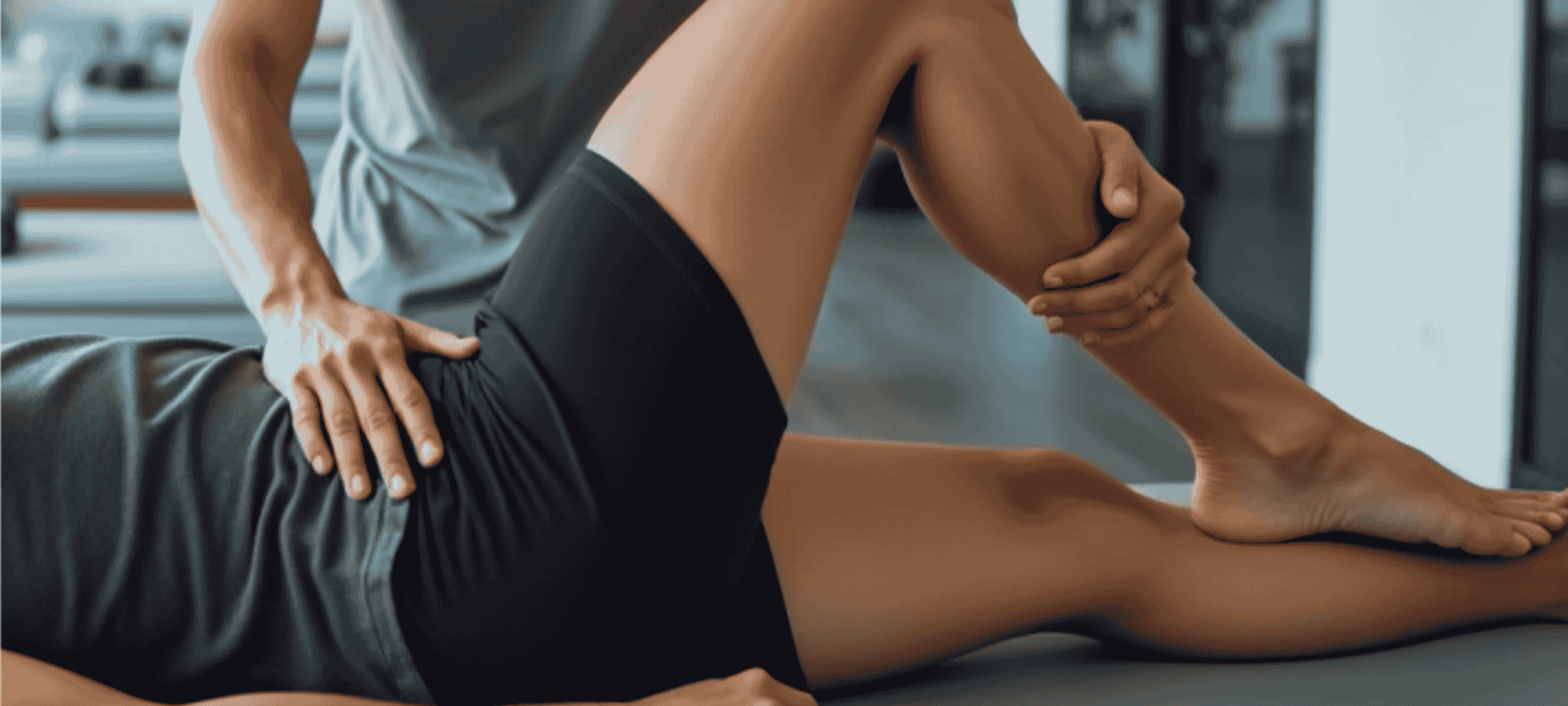
Sports massage therapy does not reliably improve strength, speed, or endurance, but strong evidence shows it can reduce muscle soreness (DOMS), improve short-term flexibility, and enhance perceived recovery and relaxation. When delivered by a trained sports massage therapist and integrated with physiotherapy and training, it is a valuable adjunct for recovery, injury prevention, and consistent athletic performance.
For serious athletes, recovery is as important as training load. Sports massage therapy is widely used in sports medicine and physiotherapy settings to support recovery, manage tissue stress, and reduce the risk of injury. While massage is often marketed as performance-enhancing, scientific evidence provides a more nuanced and practical picture.
What the Evidence Actually Shows
A large systematic review and meta-analysis of 29 randomized controlled trials (enrolling over 1,000 participants) found that sports massage does not meaningfully improve objective performance measures, such as strength, sprint speed, endurance, or fatigue. However, it produces small but significant reductions in delayed-onset muscle soreness (DOMS) and improvements in flexibility compared with no intervention (Davis et al., 2020).
A more recent systematic review focusing on massage therapy in sport confirmed these findings, noting consistent benefits in pain reduction, relaxation, and perceived recovery, even when physiological markers such as lactate clearance and muscle activation showed mixed or minimal effects (Guo et al., 2023).
In short, sports massage helps athletes feel and move better, even if it does not directly make them faster or stronger.
How Sports Massage Supports Athletic Recovery
- Reduced Muscle Soreness (DOMS)
DOMS can limit training frequency and quality. Evidence consistently shows that massage reduces perceived soreness following intense physical activity, supporting faster return to training.
- Short-Term Flexibility Gains
Massage can temporarily improve joint range of motion and soft-tissue extensibility, which is useful before training blocks or competition, especially in sports requiring repetitive movement or large ranges of motion.
- Nervous System and Relaxation Effects
Massage appears to influence the autonomic nervous system, promoting relaxation and reduced stress. This neural effect may support recovery by improving sleep quality and readiness between sessions.
- Load Management and Injury Prevention
While massage does not treat injuries directly, it can help manage tissue tone, muscle balance, and tightness, potentially lowering the chance of overuse strain when combined with proper training and physiotherapy.
Deep Tissue, Athletic Massage, and Clinical Integration
Deep tissue massage, trigger point therapy, active release, cupping, and mobilization are commonly used in sports massage therapy. Evidence suggests that regular, targeted massage, rather than one-off sessions, may provide greater benefits for flexibility and soreness, particularly in high-volume or elite athletes.
Sports massage works best as an adjunct, not a replacement, for physiotherapy, rehabilitation, strength training, and load management. In a multidisciplinary clinic, massage therapists and physiotherapists can coordinate care to align treatment with anatomy, biomechanics, and individual athletic demands.
FAQ: Sports Massage Therapy
- Does sports massage improve athletic performance?
Not directly. Research shows little consistent improvement in strength, speed, or endurance. Its value lies in recovery, reduced soreness, and increased flexibility. - Is sports massage better than regular relaxation massage?
Yes, for athletes. Sports massage is tailored to specific muscle groups, movement mechanics, and training loads, unlike general Swedish or relaxation massage. - How often should athletes get sports massage?
Evidence suggests regular massage, such as weekly or bi-weekly during heavy training, is more effective than occasional sessions, especially for chronic tightness or repetitive strain. - Is sports massage useful for injury rehab?
As an adjunct. It can help manage pain, muscle tension, and tissue sensitivity, but it should be combined with physiotherapy and progressive loading for effective rehabilitation. - How long should a sports massage session be?
Most effective sessions range from 60 to 90 minutes, allowing adequate assessment, targeted treatment, and recovery-focused work. - Who should provide sports massage?
A certified, registered sports massage therapist who understands anatomy, sports therapy principles, and collaborates with physiotherapy or sports medicine professionals.
Recover Smarter With Sports Massage at South Island Physiotherapy
At South Island Physiotherapy, sports massage is integrated into evidence-based physiotherapy care to support recovery, manage training load, and help athletes stay consistent in their sport. Our registered massage therapists and physiotherapists work collaboratively to ensure sports massage therapy complements your training, injury prevention, or rehabilitation plan. Whether you are managing muscle soreness, preparing for competition, or recovering between intense sessions, sports massage at South Island Physiotherapy in Victoria, BC is designed to help you move better, feel better, and train with confidence. Book an appointment today and make recovery part of your performance strategy.