
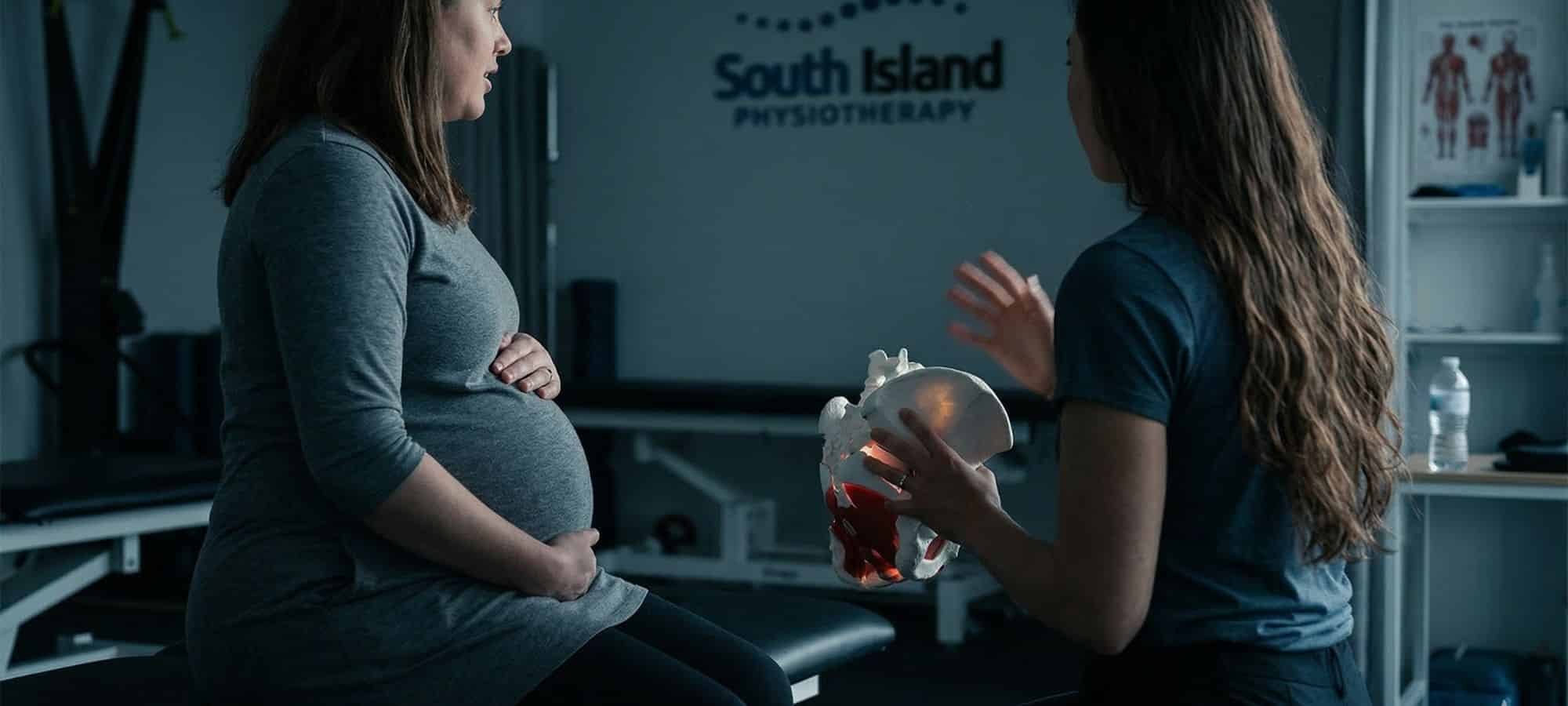
Embrace a Pain-Free Pregnancy
Hip pain is a common companion during pregnancy, but it doesn’t have to define your experience. With safe and effective physiotherapy, you can alleviate discomfort, improve mobility, and navigate your pregnancy journey with greater ease and confidence. Discover how South Island Physio offers personalized, evidence-based solutions to empower expectant mothers, ensuring a comfortable and active pregnancy.
Understanding Hip Pain During Pregnancy: A Natural, Yet Challenging, Phenomenon
Hip pain during pregnancy is a widespread concern, affecting a significant number of expectant mothers. This discomfort can range from a dull ache to sharp, shooting pains in the hips, groin, lower back, or even radiating down the legs. It often intensifies as pregnancy progresses, particularly in the second and third trimesters [1].
Several factors contribute to hip pain during this transformative period:
- Hormonal Changes: The body produces relaxin, a hormone that loosens ligaments in the pelvis to prepare for childbirth. While essential for delivery, this increased laxity can lead to instability and pain in the hip and pelvic joints [2].
- Weight Gain: The natural increase in body weight places additional stress on the weight-bearing joints, including the hips.
- Changes in Posture and Gait: As the uterus expands, your center of gravity shifts, leading to compensatory postural changes and altered walking patterns that can strain the hip muscles and joints.
- Muscle Imbalances: Weakness in the gluteal muscles or tightness in hip flexors can exacerbate hip pain.
- Sacroiliac (SI) Joint Dysfunction: The SI joints, which connect the sacrum to the pelvis, can become inflamed or misaligned due to ligamentous laxity and altered biomechanics, leading to localized pain.
While common, hip pain can significantly impact daily activities, sleep quality, and overall well-being. Recognizing its causes is the first step towards finding effective relief.
Empowering Relief: Physiotherapy for Pregnancy-Related Hip Pain
Physiotherapy offers a safe, non-invasive, and highly effective approach to managing hip pain during pregnancy. Our Registered Physiotherapists at South Island Physio are skilled in addressing the unique biomechanical changes of pregnancy and provide tailored interventions that prioritize both maternal comfort and fetal safety.
How Physiotherapy Supports a Comfortable Pregnancy:
- Personalized Assessment: A thorough evaluation identifies the specific source of your hip pain, whether it’s related to SI joint dysfunction, muscle imbalances, or postural adaptations.
- Manual Therapy: Gentle, hands-on techniques can help restore proper joint alignment, reduce muscle tension, and alleviate pain in the hips and pelvis. These techniques are always adapted to be safe and comfortable for pregnant individuals.
- Therapeutic Exercise: Targeted exercises strengthen key muscles (e.g., glutes, core stabilizers) and improve flexibility, enhancing pelvic stability and supporting proper posture. These exercises are carefully selected to be safe and beneficial throughout all stages of pregnancy.
- Postural Education: Guidance on optimal posture for sitting, standing, and sleeping can significantly reduce strain on the hips and lower back. This includes recommendations for supportive pillows and body positioning.
- Activity Modification: Advice on how to safely continue daily activities and exercise, avoiding movements that exacerbate pain while promoting beneficial movement patterns.
- Pain Management Strategies: Learning techniques to manage pain at home, empowering you with tools for self-care.
South Island Physio: Your Partner in a Confident Pregnancy Journey
At South Island Physio, we are dedicated to creating a space where expectant mothers are empowered to discover and trust their body’s capacity for change. Our team understands the nuances of pregnancy-related hip pain and is committed to providing compassionate, evidence-based care.
Our physiotherapists will work collaboratively with you to design a personalized treatment plan that focuses on safe, effective strategies to alleviate your hip pain. We aim to not only provide relief but also to build your confidence and resilience, ensuring you can enjoy your pregnancy journey to the fullest. We believe that injury and discomfort, even during pregnancy, can be a pivot point that helps you reach for something greater – a more comfortable, active, and joyful experience.
Frequently Asked Questions (FAQ)
- Is physiotherapy safe during pregnancy?
Absolutely. Physiotherapy is a safe and highly recommended intervention during pregnancy, provided it is performed by a qualified and experienced therapist who understands prenatal care. Our physiotherapists are trained to adapt treatments to ensure the safety and comfort of both mother and baby.
- When should I seek physiotherapy for hip pain during pregnancy?
It’s best to seek help as soon as hip pain begins to affect your daily life, sleep, or activity levels. Early intervention can prevent the pain from worsening and improve your overall pregnancy experience.
- Can I still exercise with hip pain during pregnancy?
In many cases, yes! Your physiotherapist can guide you on safe, appropriate exercises to strengthen supporting muscles and improve flexibility without aggravating your pain. They will help you differentiate between beneficial movement and movements to avoid.
- What can I do at home to relieve hip pain?
Gentle stretching, applying heat or cold packs, using supportive pillows (especially between your knees when sleeping on your side), and maintaining good posture can offer relief. Your physiotherapist will provide specific home exercises and advice tailored to your condition.
Make Your Move Towards a More Comfortable Pregnancy
Don’t let hip pain overshadow the joy of pregnancy. Take control of your comfort and well-being. Schedule a consultation with our expert Registered Physiotherapists at South Island Physio today. Let us help you understand your needs and create a durable solution that supports you through every stage of your pregnancy, empowering you to embark on a confident and active journey.
References
[1] Wu, W. H., Meijer, O. G., Uegaki, K., Mens, J. M., van Dieën, J. H., Wuisman, P. I., & Ostgaard, H. C. (2004). Pregnancy-related pelvic girdle pain (PPP), I: Terminology, clinical presentation, and prevalence. European Spine Journal, 13(7), 575-589. [2] Marnach, M. L., Ramin, K. D., Ramsey, P. S., & Palmer, R. A. (2003). Characterization of the relationship between joint laxity and hormones in pregnancy. Obstetrics & Gynecology, 101(2), 331-335.