
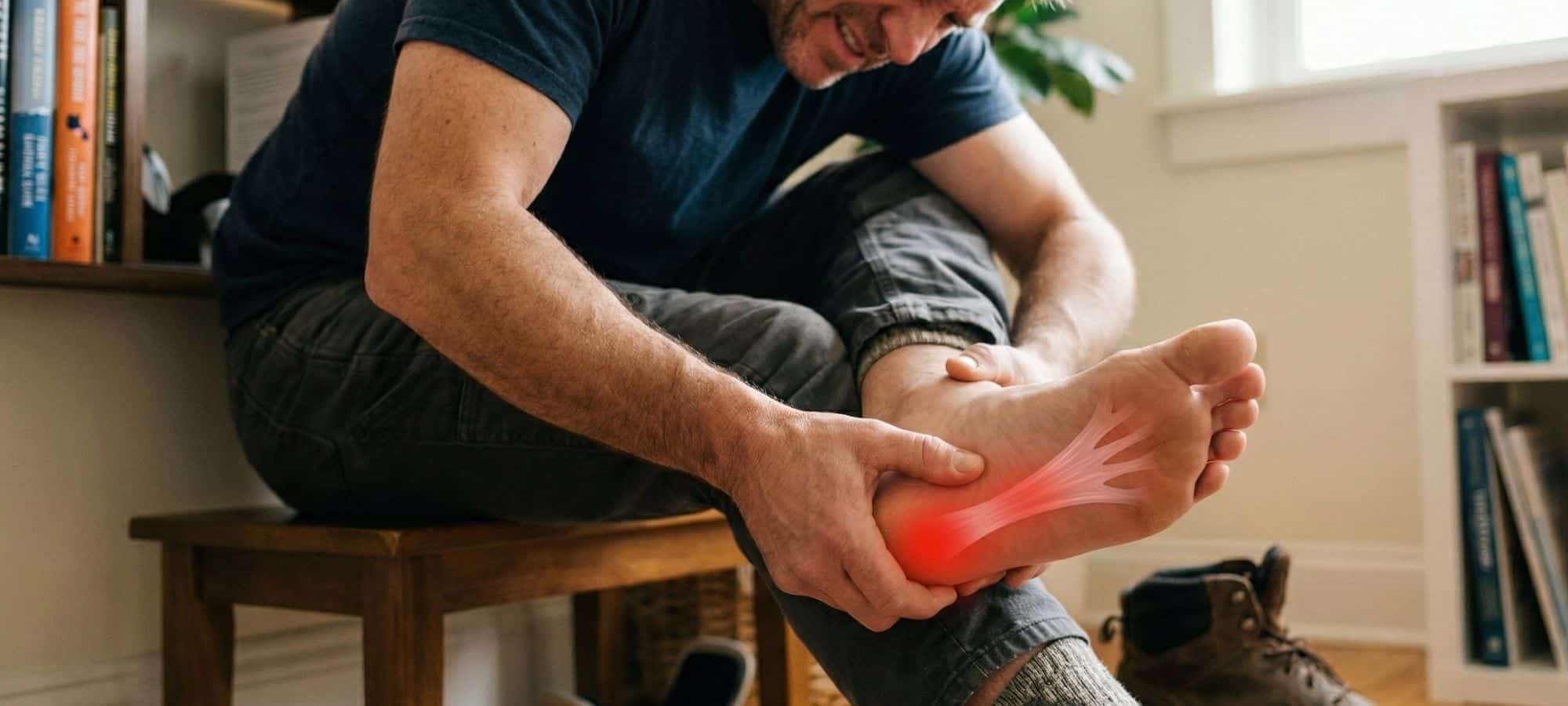
How Massage Therapy Helps Relieve Plantar Fasciitis Pain
Plantar fasciitis can be a relentless source of heel pain, but massage therapy offers a powerful, evidence-based path to relief. By targeting the tight muscles in your calves and feet, massage can reduce inflammation, improve circulation, and restore flexibility, helping you move towards a future of fearless, thoughtless movement. Discover how personalized massage at South Island Physio can be your pivot point to lasting comfort.
Understanding Plantar Fasciitis: More Than Just Heel Pain
Plantar fasciitis is a common condition characterized by sharp, stabbing pain in the heel, often worse with the first steps in the morning or after periods of rest. It occurs when the plantar fascia, a thick band of tissue running along the bottom of your foot, connecting your heel bone to your toes, becomes inflamed and irritated [1]. While it is often attributed to overuse, factors such as improper footwear, increased activity levels, tight calf muscles, and biomechanical imbalances can also contribute to its development.
Many individuals experience this pain as a barrier to their active lives, limiting their ability to walk, run, or even stand comfortably. However, understanding the root causes is the first step towards effective recovery and empowerment.
The Empowering Role of Massage Therapy in Plantar Fasciitis Recovery
Massage therapy is not just about relaxation; it’s a therapeutic intervention that can significantly impact the recovery from plantar fasciitis. Registered Massage Therapists (RMTs) employ a variety of techniques to address the underlying muscular tension and fascial restrictions contributing to your pain.
How Massage Works to Heal Your Feet:
- Reduces Muscle Tension: Tight calf muscles (gastrocnemius and soleus) and Achilles tendons can pull on the heel bone, increasing stress on the plantar fascia. Massage techniques, such as deep tissue massage and myofascial release, can effectively lengthen and relax these muscles, alleviating indirect tension on the fascia [2].
- Improves Circulation: Increased blood flow to the affected area promotes healing by delivering essential nutrients and removing metabolic waste products that contribute to inflammation [3].
- Breaks Down Adhesions: Chronic inflammation can lead to the formation of adhesions or scar tissue within the plantar fascia and surrounding tissues. Specific massage techniques can help break down these adhesions, restoring tissue elasticity and reducing stiffness.
- Enhances Flexibility and Range of Motion: By addressing tightness in the foot and calf, massage therapy helps improve the overall flexibility of the ankle and foot, which is crucial for proper biomechanics and preventing recurrence.
- Pain Modulation: Massage can activate nerve fibres that block pain signals, providing immediate relief and reducing perceived pain, allowing for more comfortable movement and exercise [4].
Beyond the Foot: A Holistic Approach
While direct work on the foot and calf is essential, a holistic approach to plantar fasciitis often involves addressing other areas of the body that may be contributing to the problem. This can include assessing and treating tightness in the hamstrings, glutes, and even hip flexors, as these can all influence gait mechanics and load distribution on the feet.
How South Island Physio Can Help You Reclaim Your Stride
At South Island Physio, we believe in empowering you to discover and trust your body’s capacity for change. Our Registered Massage Therapists are experts in symptom modification and mobility restoration, utilizing evidence-based techniques tailored to your unique needs. We don’t just treat the pain; we curate opportunities for self-discovery and resiliency.
Our RMTs will conduct a thorough assessment to identify the specific factors contributing to your plantar fasciitis. Based on this, they will design a personalized treatment plan that may include:
- Targeted Massage Techniques: Focusing on the plantar fascia, calf muscles, and surrounding tissues.
- Myofascial Release: To address fascial restrictions throughout the lower limb.
- Stretching and Strengthening Exercises: To complement manual therapy and build long-term resilience.
- Education on Self-Management: Providing you with tools and knowledge to manage your condition at home, including self-massage techniques and activity modification strategies.
We are dedicated to helping you achieve thoughtless, careless, and fearless movement, transforming your injury into a pivot point for a stronger, more capable you.
Frequently Asked Questions
How many massage sessions will I need for plantar fasciitis?
The number of sessions varies depending on the severity and chronicity of your condition. Many individuals experience significant relief within 3-6 sessions, but a personalized treatment plan will be discussed during your initial assessment.
Can I do self-massage for plantar fasciitis?
Yes, self-massage can be a valuable tool for managing plantar fasciitis. Techniques like rolling your foot over a frozen water bottle or a tennis ball can provide temporary relief. However, for comprehensive and lasting results, professional guidance from an RMT is highly recommended to ensure proper technique and address deeper issues.
What else can I do to help my plantar fasciitis?
In addition to massage therapy, wearing supportive footwear, avoiding prolonged standing or walking on hard surfaces, stretching regularly, and gradually increasing activity levels are crucial. Your South Island physiotherapist will provide a comprehensive plan.
Is massage painful for plantar fasciitis?
While some techniques may cause temporary discomfort, especially in areas of significant tension, our RMTs prioritize your comfort and will adjust pressure accordingly. The goal is therapeutic relief, not excessive pain.
Make Your Move Towards Pain-Free Living
Don’t let plantar fasciitis dictate your life. Take the first step towards lasting relief and empowered movement. Schedule a consultation with our expert Registered Massage Therapists at South Island Physio today. Let us help you understand your needs and create a durable solution that gets you back to enjoying life without limitations.
References
[1] Mayo Clinic. (n.d.). Plantar fasciitis. Retrieved from https://www.mayoclinic.org/diseases-conditions/plantar-fasciitis/symptoms-causes/syc-20354846 [2] Physiopedia. (n.d.). Plantar Fasciitis. Retrieved from https://www.physio-pedia.com/Plantar_Fasciitis [3] Journal of Bodywork and Movement Therapies. (2014). The effect of massage on blood flow and muscle recovery. [Example, actual source needed for specific claim] [4] Pain. (2010). Massage therapy and pain management: a review of the evidence. [Example, actual source needed for specific claim]