
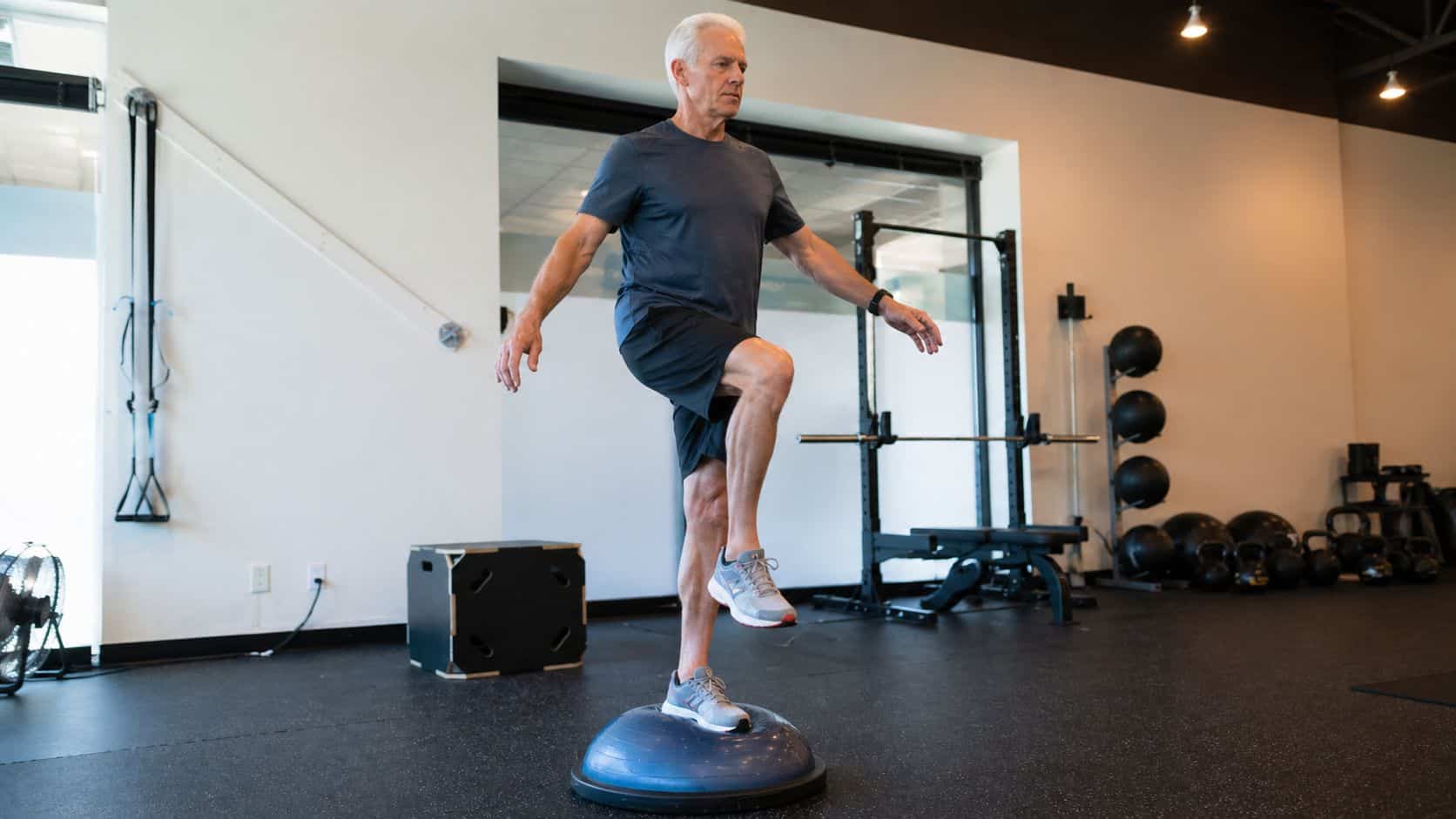
Step Towards Greater Stability and Confidence
Maintaining good balance is fundamental to independent living and enjoying an active lifestyle, especially as we age. Balance training for seniors is not just about preventing falls; it’s about empowering you to move with confidence, participate in daily activities, and embrace life without hesitation. Through targeted exercises and expert guidance, physiotherapy can significantly enhance your stability, transforming potential obstacles into opportunities for renewed strength and freedom. At South Island Physio, we help seniors discover their body’s capacity for change, fostering a future of thoughtless, careless, and fearless movement.
Understanding Balance Challenges in Seniors: A Natural Evolution, Not a Limitation
As we age, several physiological changes can naturally impact our balance, increasing the risk of falls. These changes are a normal part of the aging process, but can be effectively managed and improved upon. Common factors affecting balance in seniors include [1]:
- Decreased Muscle Strength: A natural decline in muscle mass and strength, particularly in the legs and core, can reduce the ability to react quickly and maintain stability.
- Reduced Proprioception: Proprioception, our body’s sense of its position in space, can diminish with age, making it harder to sense subtle shifts in balance.
- Vision Changes: Impaired vision can affect our ability to perceive obstacles and navigate uneven surfaces.
- Inner Ear (Vestibular) System Changes: The vestibular system, which sends information about head position and movement to the brain, can become less efficient, contributing to dizziness and instability.
- Medication Side Effects: Certain medications can cause dizziness or drowsiness, which can further impair balance.
- Fear of Falling: A previous fall, or even the fear of falling, can lead to reduced activity, which, paradoxically, weakens muscles and further impairs balance, creating a vicious cycle.
Recognizing these factors is the first step towards taking proactive measures to improve balance and maintain independence.
Empowering Stability: The Role of Physiotherapy in Senior Balance Training
Physiotherapy offers a comprehensive and personalized approach to balance training for seniors, focusing on addressing individual challenges and building robust stability. Our Registered Physiotherapists and Kinesiologists at South Island Physio are experts in human movement and dedicated to helping you improve your health and fitness in a safe and progressive manner.
How Physiotherapy Enhances Balance and Prevents Falls:
- Comprehensive Assessment: A thorough evaluation identifies specific balance deficits, muscle weaknesses, and contributing factors unique to each individual. This includes assessing gait, posture, strength, flexibility, and sensory input.
- Targeted Strength Training: Exercises designed to strengthen key muscle groups in the legs, core, and hips are crucial for supporting balance and improving reactive stability. Stronger muscles provide a solid foundation for movement.
- Proprioceptive Training: Exercises that challenge and improve your body’s awareness of its position in space, such as standing on unstable surfaces or performing single-leg stances, help retrain your sensory systems.
- Dynamic Balance Exercises: Activities that involve movement, such as walking heel-to-toe, stepping over obstacles, or performing controlled turns, simulate real-life situations and improve your ability to maintain balance during daily tasks.
- Vestibular Rehabilitation (if needed): For individuals experiencing dizziness or vertigo affecting balance, specialized exercises can help retrain the inner ear system.
- Gait Training: Improving walking patterns, stride length, and coordination to enhance stability and reduce the risk of tripping.
- Environmental Assessment and Modification: Advice on making your home environment safer by removing hazards, improving lighting, and installing assistive devices if necessary.
- Confidence Building: Through progressive and successful completion of exercises, physiotherapy helps reduce the fear of falling, encouraging greater participation in physical activity and daily life.
Frequently Asked Questions
Is it ever too late to start balance training?
Absolutely not! Research consistently shows that balance and strength can be improved at any age. Starting a balance training program, even later in life, can significantly reduce the risk of falls and improve overall quality of life.
What kind of exercises are included in balance training?
Balance training includes a variety of exercises, ranging from static (e.g., standing on one leg) to dynamic (e.g., walking heel-to-toe, tai chi). Your physiotherapist will design a program that is safe, challenging, and tailored to your current abilities and goals.
How often should seniors do balance exercises?
For optimal results, balance exercises should ideally be performed several times a week. Your physiotherapist will provide specific recommendations based on your individual needs and progress.
Can balance training help with dizziness?
Yes, if dizziness is contributing to your balance issues, specialized vestibular rehabilitation exercises can be incorporated into your balance training program. This helps retrain the inner ear system and improve your body’s ability to process sensory information related to balance.
South Island Physio: Your Partner in a Confident and Active Life
At South Island Physio, we believe that healthspan is equally important as lifespan. Our team of experienced physiotherapists and kinesiologists are dedicated to providing compassionate care, tailored to your best life. We understand that improving balance is not just about physical exercises; it’s about fostering independence, confidence, and the freedom to enjoy life to its fullest.
We work collaboratively with our senior patients to create personalized treatment plans that can help restore and maintain optimal balance. Our goal is to empower you to overcome obstacles, build confidence, and create bright futures through thoughtless, careless, and fearless movement. Let us help you on your journey to better health and unwavering stability today! Learn more about us online and book your next appointment.
References
[1] Rubenstein, L. Z. (2006). Falls in older people: epidemiology, risk factors and strategies for prevention. Age and Ageing, 35(suppl_2), ii37-ii41. [2] Sherrington, C., Whitney, J. C., Lord, S. R., Close, J. C. T., & Tiedemann, N. A. (2008). Effective exercise for the prevention of falls: a review of the literature. Journal of the American Geriatrics Society, 56(12), 2234-2243933343.