Joint Mobilization in Victoria BC
Registered Clinicians
5-Star Google Rating
Locally Owned & Operated
Physiotherapy & Chiropractic
Serving Greater Victoria

Restore Joint Movement, Reduce Pain, and Get Back to Full Function
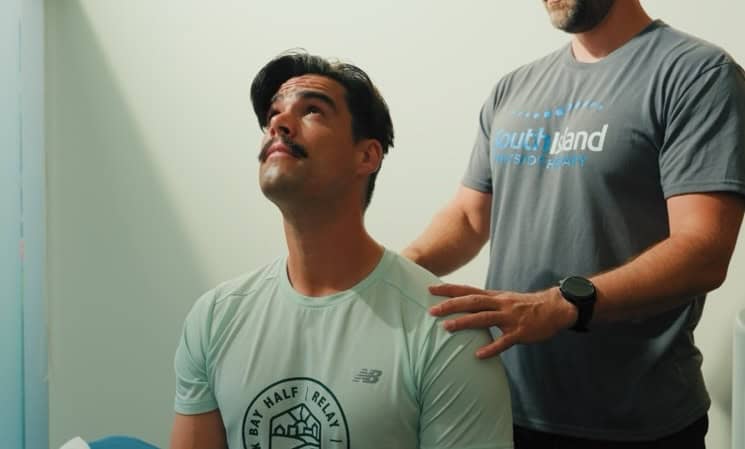
Joint mobilization is one of the most fundamental and well-researched manual therapy interventions in physiotherapy and chiropractic practice. When a joint loses its normal range of movement, whether from injury, inflammation, prolonged immobilization, or cumulative postural loading, the effects extend beyond the joint itself. Surrounding muscles guard, movement patterns compensate, and pain persists long after the initial cause has resolved. At South Island Physiotherapy, our registered physiotherapists and chiropractors apply joint mobilization as a precisely graded, assessment-guided intervention that restores normal joint mechanics, reduces pain, and creates the conditions for durable recovery.
Our Victoria mobilization physiotherapy patients come to us with a wide range of presentations – stiff necks and restricted cervical rotation, shoulders that cannot reach overhead, hips and knees that ache with loading, and ankles that never fully recovered after a sprain. In every case, the approach is the same: assess the joint, identify the direction and degree of restriction, and apply the appropriate grade of mobilization as part of a broader treatment plan that includes progressive exercise and functional rehabilitation.
Credentials and Clinical Standards You Can Trust
Registered Clinicians with Post-Graduate Manual Therapy Training
Joint mobilization is a precise clinical skill, not something anyone with a basic anatomy course can apply safely. Our physiotherapists and chiropractors have all completed post-graduate training in manual therapy assessment and joint treatment. Dr. Kevin Sommerfeldt, our chiropractor, holds a Doctor of Chiropractic and has completed specific post-graduate training in Dynamic Neuromuscular Stabilization – a movement-based approach that pairs well with joint mobilization work.
Locally Owned and Operated in Victoria BC
South Island Physiotherapy was founded and is operated by practising clinicians. Our co-owners see patients regularly and hold the clinical standard of the team to account from within. When joint mobilization is applied in your session, it is because the assessment supports it and the clinical evidence backs it.
5-Star Google Rating from 325+ Victoria Patients
Our Google rating reflects real patient experiences across every service and technique we apply. Patients who have received joint mobilization at South Island Physiotherapy consistently describe measurable improvements in range of motion, reductions in joint pain, and the ability to return to activities they had been modifying or avoiding. That track record is built one joint at a time.
Clinical Rigour from Co-Owners Who Lead by Example
Jason Nenzel holds a Master of Science in Physical Therapy and has completed postgraduate work in spinal and joint rehabilitation. He also sits on the Canadian Physiotherapy Association Board. Colin Beattie has spent years working with patients dealing with complex, hard-to-resolve musculoskeletal pain. Alec Myring combines joint mobilization with strength and conditioning so the gains from hands-on treatment actually stick. That standard extends across the whole team – Jennifer Erickson adds AIM Level 1 orthopedic training to the mix, a credential focused specifically on joint assessment and movement-based treatment.
Part of a Complete Manual Therapy Approach
Joint mobilization is one component of a broader manual and manipulative therapy approach. Our clinicians combine joint mobilization with soft tissue techniques, neural mobilization, and progressive exercise to address both the joint restriction and the surrounding tissue and movement patterns that have adapted to it. Mobilization without exercise to reinforce the restored range of motion produces shorter-lasting results.
Our Joint Mobilization Services in Victoria BC
Cervical and Thoracic Joint Mobilization
Restricted cervical rotation, stiffness in the upper thoracic spine, and the accompanying headaches, neck pain, and upper limb symptoms that develop when these joints are not moving normally are among the most common presentations in our clinic. Our clinicians apply Maitland-graded cervical and thoracic joint mobilization to restore normal joint play, reduce pain, and address the neural sensitivity that often develops with prolonged cervical restriction. This is delivered within the broader context of our physiotherapy service and is closely related to but distinct from spinal manipulation, which uses a higher-velocity thrust technique.
Lumbar and Sacroiliac Joint Mobilization
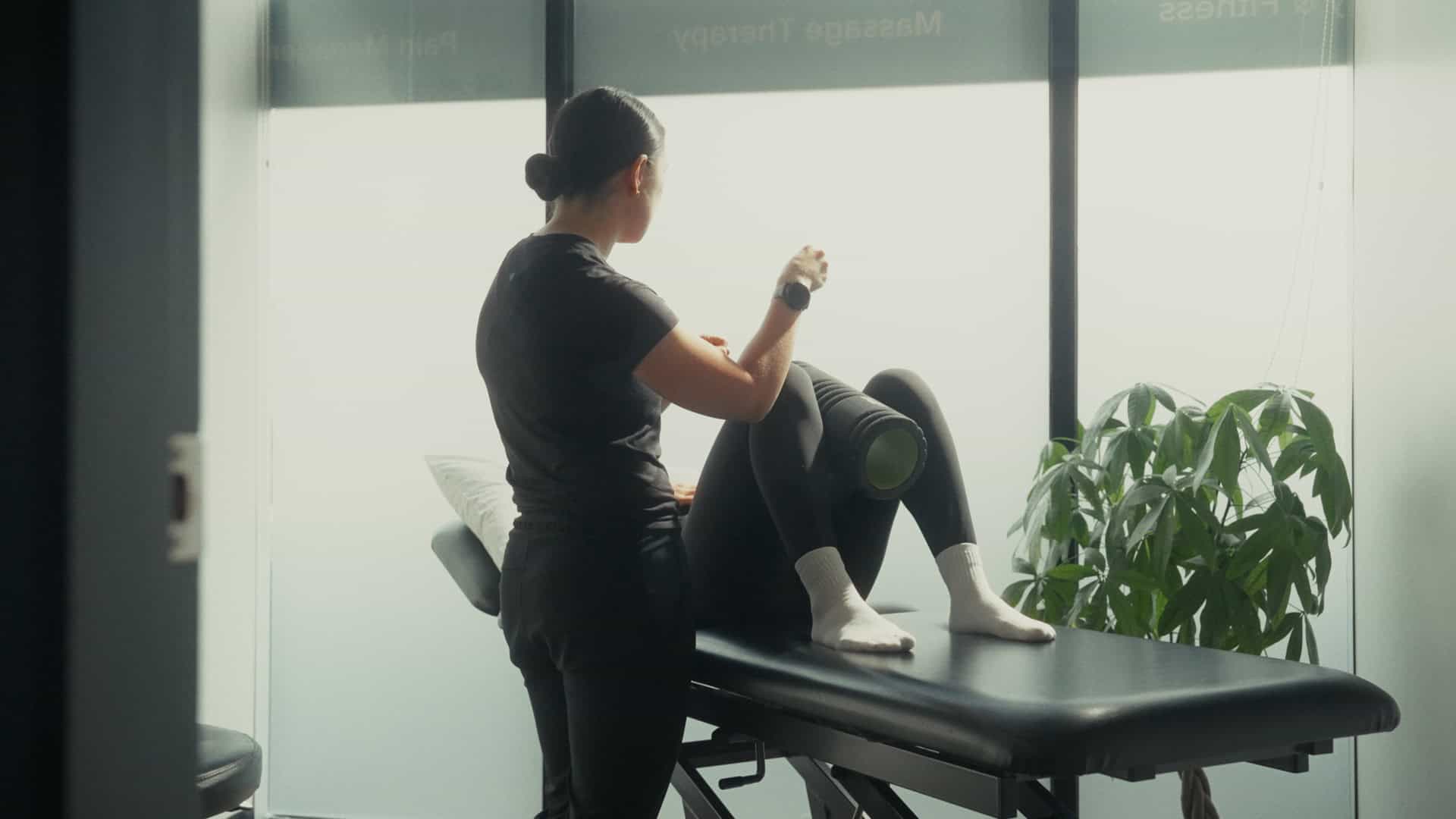
Low back pain, sacroiliac joint dysfunction, and lumbar stiffness that limits bending, sitting, or getting out of a car are everyday presentations that respond well to targeted lumbar joint mobilization. Our clinicians assess the specific segments involved, determine the most restricted directions of movement, and apply graded accessory and physiological movements to restore normal joint mechanics. Joint mobilization is combined with progressive core and hip strengthening through our exercise rehabilitation service to maintain the gains achieved through hands-on treatment.
Shoulder Joint Mobilization
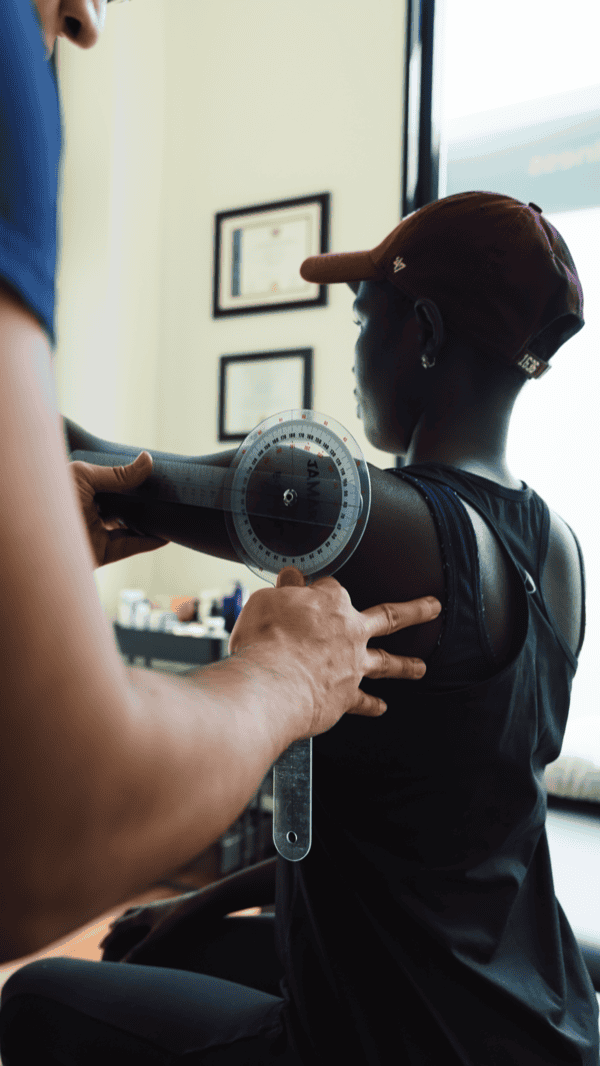
Shoulder restrictions involving the glenohumeral joint, acromioclavicular joint, or sternoclavicular joint respond well to graded mobilization when the assessment identifies the specific direction and degree of restriction. Frozen shoulder (adhesive capsulitis), post-surgical shoulder stiffness, and chronic rotator cuff-related restriction are among the most common shoulder presentations we address with joint mobilization. Our approach integrates mobilization with active release technique for surrounding soft tissue and a progressive shoulder loading program.
Hip and Pelvic Joint Mobilization
Hip restriction, groin pain, and the altered gait patterns that develop in response to reduced hip range of motion affect daily activities, sports, and work capacity. Our clinicians apply hip joint mobilization to restore normal hip mobility and address the impingement symptoms, groin discomfort, and compensatory movement patterns that develop when the hip joint is not moving freely. Hip mobilization is frequently incorporated into sports physiotherapy programs for athletes returning to training after a hip injury.
Knee and Lower Limb Joint Mobilization
Knee stiffness after injury or surgery, ankle restriction following a sprain, and the loss of dorsiflexion range that limits squat depth and stair descent are all presentations that benefit from targeted lower limb joint mobilization. Our clinicians assess tibiofemoral and patellofemoral mechanics, subtalar and talocrural joint range, and the accessory movements available at each joint before applying the appropriate grade and direction of mobilization to restore normal movement.
Chiropractic Joint Mobilization
Joint mobilization is a core component of our chiropractic service as well as our physiotherapy practice. Our chiropractors apply graded joint mobilization as an alternative or complement to high-velocity thrust manipulation, depending on the patient’s presentation, preferences, and clinical response. For patients who prefer a gentler approach to joint treatment, Grades I to IV mobilization can achieve meaningful improvements in joint range of motion and pain reduction without the thrust component.
Joint Mobilization Within ICBC and WorkSafeBC Treatment
Joint restriction and post-traumatic stiffness are common conditions that are the consequence of a previous disease or injury of motor vehicle accidents and workplace injuries. Joint mobilization is a standard component of physiotherapy and chiropractic treatment for these presentations and is provided within our ICBC physiotherapy and WorkSafeBC physiotherapy programs at no additional charge.
Why Patients Choose South Island Physio
Graded and Precise, Not Generic
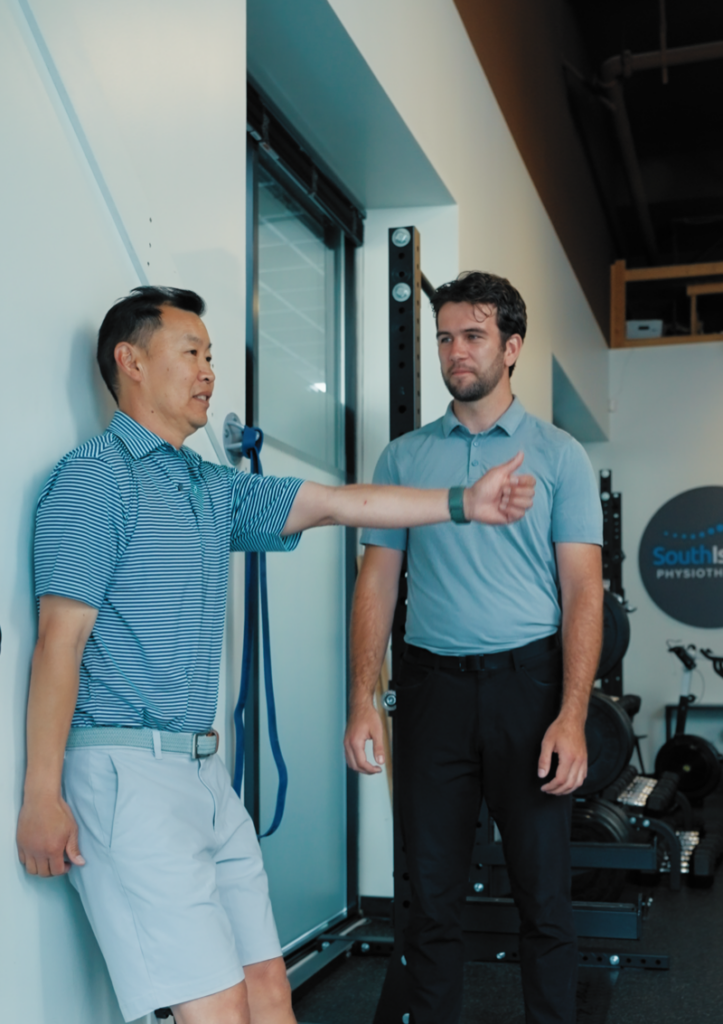
Joint mobilization is not a single technique. The Maitland grading system defines five grades of mobilization, ranging from small-amplitude oscillations at the beginning of range through to sustained end-range techniques. The grade selected depends on the degree of restriction, the nature of the pain, and the clinical response at each session. Our clinicians apply the appropriate grade for your presentation and adjust it based on how your joint responds, session by session.
Mobilization That Leads Somewhere
Joint mobilization creates a window of opportunity. The improved range of motion achieved through hands-on treatment needs to be reinforced by active exercise that teaches the nervous system to use the restored range under load. We pair every mobilization program with progressive exercise so the improvements we achieve in the treatment room translate into durable functional gains in your daily life, sport, and work.
Assessment Determines the Approach
Some joints need mobilization. Some need manipulation. Some need soft tissue treatment first and mobilization later. Some need loading and do not need hands-on treatment at all. Our clinicians assess thoroughly before treating and select the intervention that the evidence and the findings support, not the one that is easiest to apply. If joint mobilization is not the right approach for your presentation, we will tell you what is.
Joint Mobilization at South Island Physiotherapy
Book Your Initial Assessment
Call us at (778) 433-4900 or book online through our JaneApp system. New patients are typically booked for an initial assessment of 45 to 60 minutes. If you are aware that a specific joint or region is restricted and want to mention this when booking, that helps us schedule the most appropriate appointment length.
Joint and Movement Assessment
Your physiotherapist or chiropractor will take a full history of your symptoms, assess your active and passive range of motion, test the quality of joint play through palpation, and evaluate any compensatory movement patterns that have developed around the restricted joint. This assessment determines which joints are involved, the grade of restriction, the direction of limitation, and whether joint mobilization is the appropriate primary intervention or whether other techniques should be applied first.
Joint Mobilization Treatment
Mobilization is applied to the specific joint and direction of restriction identified in the assessment. Your clinician will explain what the technique involves before applying it. Most patients describe a comfortable pressure and gentle oscillating movement during mobilization. The technique should not be painful, though some mild discomfort at end range is normal. Your clinician monitors your response throughout and adjusts the grade and amplitude accordingly.
Progressive Exercise Prescription
Following mobilization, your clinician will prescribe specific active exercises to reinforce the restored range of motion. These exercises are designed to be performed at home between sessions and are progressed at each appointment as your range and strength improve. The exercise program is what sustains the gains achieved through hands-on treatment.
Progress Review and Discharge Planning
Your clinician reviews your progress at each session, adjusts the mobilization grade and direction as your joint mechanics improve, and plans toward a clear discharge goal. For many patients with straightforward joint restriction, meaningful improvement is achieved within four to eight sessions. Complex presentations or those with significant underlying joint changes may require a longer course of care.
Serving Victoria BC and Surrounding Areas
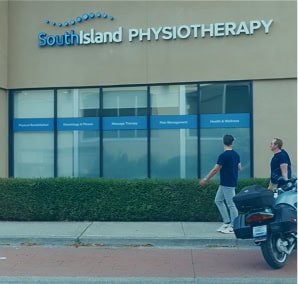
South Island Physiotherapy provides joint mobilization as part of physiotherapy and chiropractic appointments for patients across Greater Victoria from our clinic in Saanich. We regularly treat patients from Oak Bay, Esquimalt, Langford, Colwood, Cordova Bay, and Central Saanich.
Areas we serve:
- Saanich
- Oak Bay
- Esquimalt
- Langford
- Colwood
- Cordova Bay
- Central Saanich
- View Royal
- Sidney
- Metchosin
FAQs: Joint Mobilization in Victoria BC

What is joint mobilization?
Joint mobilization is a passive manual therapy technique in which the clinician applies graded oscillatory or sustained movements to a joint to restore normal range of motion, reduce pain, and improve joint mechanics. It is applied at varying amplitudes and positions within the joint range, depending on the grade selected. Mobilization is distinct from manipulation: mobilization uses lower-velocity, controlled oscillations that remain within the patient’s passive range of motion, while manipulation involves a higher-velocity thrust that takes the joint to the limit of its range.
What is the difference between joint mobilization and manipulation?
Mobilization uses low-velocity, graded oscillatory movements within the patient’s range of motion and does not produce the audible cavitation (popping sound) associated with manipulation. Manipulation uses a high-velocity, low-amplitude thrust that moves the joint briefly beyond its passive range and typically produces an audible pop. Both techniques are used at South Island Physiotherapy. The choice between them depends on the presenting condition, the degree and nature of the restriction, patient preference, and the clinical response to each technique.
Does joint mobilization hurt?
Joint mobilization should not be painful. Grades I and II mobilization are typically pain-free and are used specifically to reduce pain and muscle guarding. Grades III and IV work closer to the end of range and may produce mild discomfort at the point of resistance. Your clinician will work within your tolerance and adjust the technique based on your feedback. If you experience significant pain during mobilization, inform your clinician immediately.
What conditions does joint mobilization treat?
Joint mobilization is used for a wide range of conditions involving restricted joint range of motion, joint pain, and altered joint mechanics. Common presentations include cervical and thoracic stiffness, frozen shoulder, lumbar facet joint restriction, sacroiliac joint dysfunction, hip impingement, post-surgical joint stiffness, post-sprain ankle restriction, and knee stiffness following injury or surgery. It is also used in the management of osteoarthritis to maintain joint range and reduce pain, though it does not reverse the underlying degenerative changes.
How many sessions of joint mobilization will I need?
The number of sessions depends on the nature and chronicity of the joint restriction, the specific joint involved, and your body’s response to treatment. Acute presentations with recent-onset stiffness often respond within three to six sessions. Chronic restrictions, post-surgical stiffness, and frozen shoulder presentations typically require a longer course of care. Your clinician will set realistic expectations at your initial assessment and review your progress openly at each appointment.
Is joint mobilization safe?
Joint mobilization has a strong safety profile when performed by a trained, registered clinician following a proper assessment. Our clinicians screen for contraindications before applying any mobilization technique, including unstable fractures, significant osteoporosis, inflammatory arthritis in acute flare, vascular risk factors for cervical mobilization, and any presentation in which hands-on treatment is not appropriate. If mobilization is contraindicated for your condition, your clinician will explain why and discuss appropriate alternatives.
Joint Mobilization Pricing in Victoria BC
Joint mobilization is delivered within standard physiotherapy and chiropractic appointments at South Island Physiotherapy at no additional charge.
Physiotherapy rates:
- Initial Assessment, Acute (45 min) $135
- Initial Assessment, Complex (60 min) $200
- Return Patient Assessment (45 min) $126
- Follow-Up Appointment (30 min) $126
- Follow-Up Appointment (45 min) $175
Chiropractic rates:
- Chiropractic Initial (40 min) $120
- Chiropractic Return Patient Assessment (40 min) $120
- Chiropractic Follow-Up (20 min) $75
- Chiropractic Follow-Up (40 min) $135
Most extended health plans cover physiotherapy and chiropractic appointments and we direct bill to most major insurers. ICBC and WorkSafeBC patients receive joint mobilization within their approved treatment sessions at no out-of-pocket cost for covered appointments. To book or ask about coverage, visit our contact page or call us at (778) 433-4900.
to Restore Your Joint Movement in Victoria BC?
Joint restriction and the pain and compensation patterns that come with it are treatable. At South Island Physiotherapy in Victoria BC, our registered physiotherapists and chiropractors apply precise, graded joint mobilization within a complete treatment plan designed to restore your range of motion and keep it there. We serve patients from Saanich, Oak Bay, Langford, Esquimalt, Colwood, and across Greater Victoria.